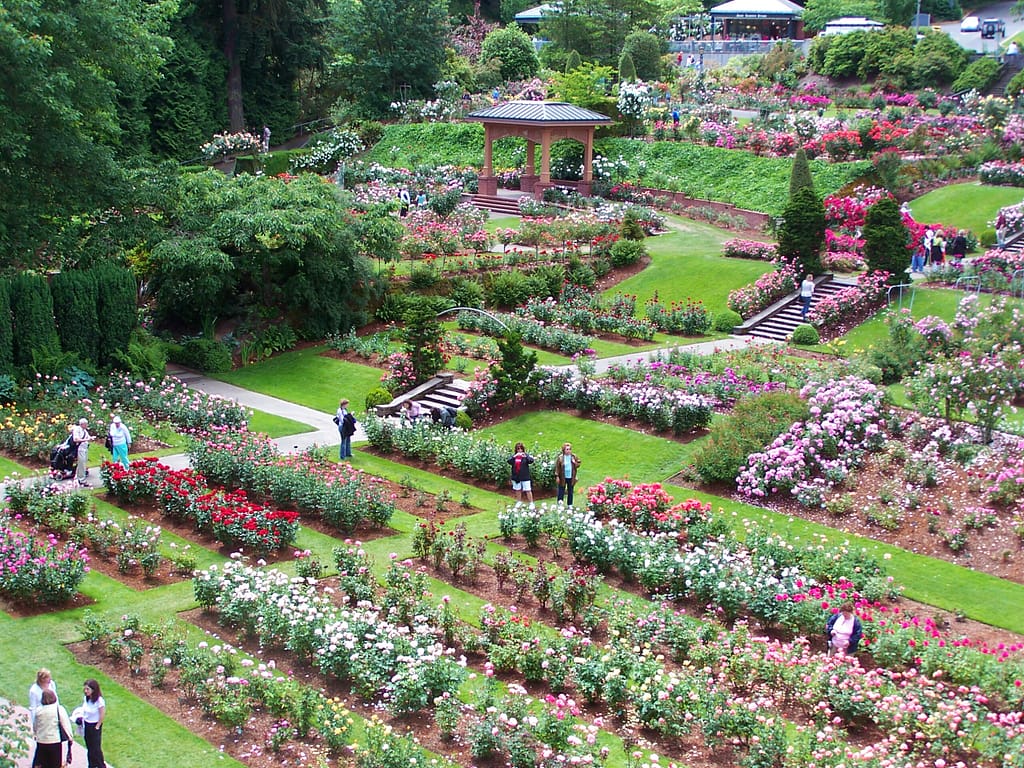
Fall rose cleanup in Portland opens this week: three dry days through Wednesday, then Thursday and Friday bring the first meaningful rain since summer. Anything you don't strip off the roses and out of the beds by Thursday morning gets sealed into the soil as next spring's black spot inoculum.
This Week's Action List
- 1
Rake every fallen rose leaf out of the beds Monday through Wednesday while the ground is still dry. Black spot spores overwinter in that debris and re infect new growth in March. Bag the leaves for yard debris pickup or bin them, never compost pile them at home, since backyard piles rarely hit the 140°F needed to kill the fungus.
- 2
Hold the pruners on roses. Fall pruning stimulates tender growth that gets hammered by the first November freeze. The real rose pruning window in Portland is mid February to early March, so this week is strictly a cleanup pass: dead canes and diseased leaves only, no shaping.
- 3
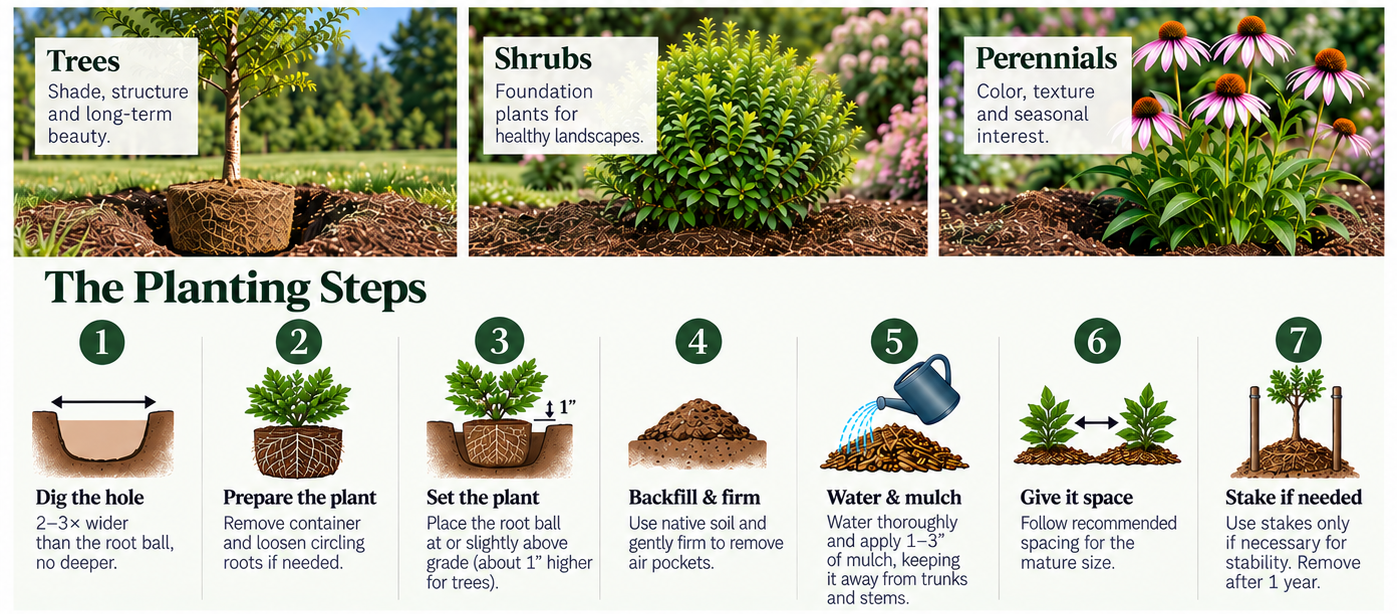
Tuesday's 76°F and dry air make it the best day of the week to plant rhododendrons, camellias, and hydrangeas. Dig the hole twice as wide as the rootball and only as deep, backfill with native soil (skip the amendments), and top with three inches of arborist chips pulled two inches back from the trunk. Friday's rain will handle the first watering.
- 4
Plant hardneck garlic cloves this week if you haven't already. Portland's ideal window closes October 10, and getting cloves in before Thursday's rain lets them settle without you needing to hand water. Space cloves 6 inches apart, 2 inches deep, pointy end up, in a bed you've topdressed with an inch of compost.
- 5
Watch dahlias for botrytis starting Thursday night. Cool damp air on soft petals produces fuzzy gray mold within 48 hours. Snap off any mushy brown blooms at the stem and drop them in the trash, not the compost. Dahlias themselves stay in the ground until frost blackens the foliage, typically late October in most Portland neighborhoods.
- 6
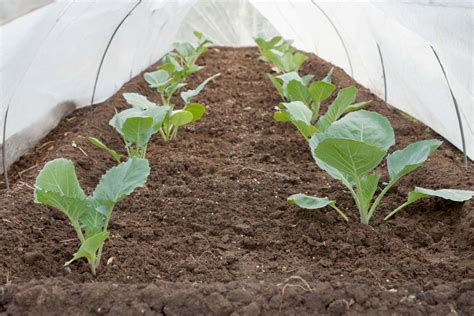
Overwintering spinach and mache go in this week for a February and March harvest. Sow seed a half inch deep, then let Friday's 0.2 inches of rain do the germination watering. Cover the row with floating row cover once seedlings emerge to buffer the first hard nights.
- 7
Turn off automatic irrigation timers by Wednesday evening. The forecast rain totals 0.28 inches, which is right at the threshold where established plants no longer need supplemental water. Keep hand watering going only for shrubs and perennials planted in the last four weeks; their roots haven't reached moist soil yet.
- 8
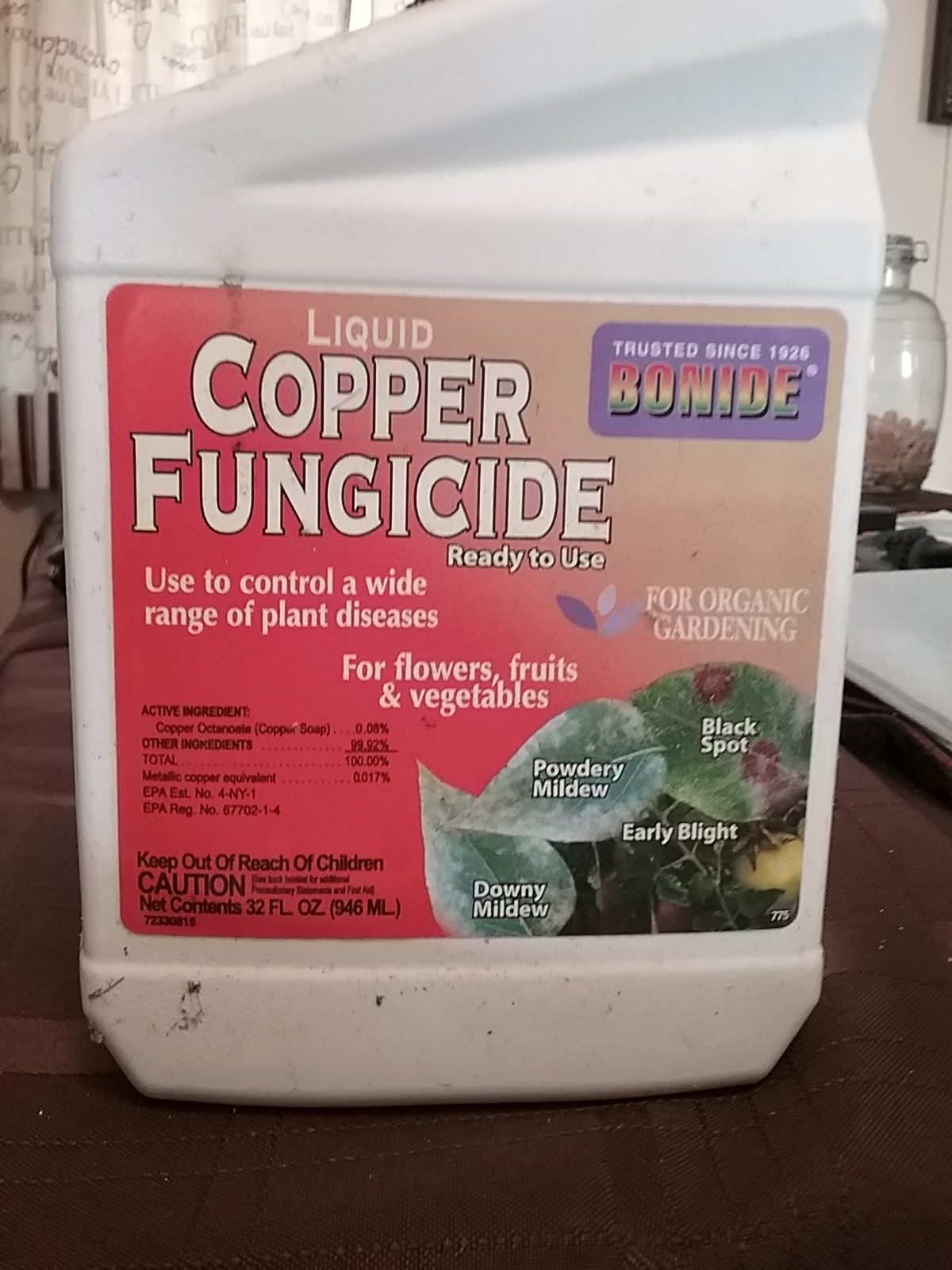
Apply dormant copper spray to peach and nectarine trees as leaves start dropping over the next two weeks. This single application prevents peach leaf curl, the disfiguring red blistered leaves that ruin Portland peach crops every May. Spray on a dry morning when no rain is expected for 24 hours, so Tuesday or Wednesday this week is the sweet spot.
Frequently Asked Questions
When should I prune roses in Portland?
The main pruning window is mid February through early March, right before bud break. Fall pruning is a mistake in Zone 8b because it triggers soft new growth that freezes in November. Right now, limit rose work to removing dead canes and raking up fallen leaves for black spot control.
Is it too late to plant shrubs in Portland in late September?
It's actually the best time. Soil temperatures are still in the low 60s, air is cooling, and the fall and winter rains will water new plantings for you through May. Rhododendrons, camellias, hydrangeas, and Pacific Northwest natives planted now root in through winter and hit spring already established.
Do I need to spray my roses in fall to prevent black spot next year?
Cleanup matters more than spray. Removing every fallen leaf and stripping remaining diseased foliage off the canes eliminates 90 percent of the overwintering spores. A dormant lime sulfur spray in January is optional insurance, but skipping the fall leaf raking guarantees infection returns in spring no matter what you spray.
How much rain does Portland typically get in late September?
The historical average for the last week of September is about 0.5 to 1 inch, with the fall rain pattern usually kicking in around September 15 to 25. This week's forecast of 0.28 inches is on the light side, so soil below the top two inches is still dry and new plantings will need one deep watering after planting.