Tree Care - The Basics For Your City Lot

Managing trees on a residential lot is mostly about balancing safety, appearance, and long-term tree health. Small jobs like light shaping or deadwood removal are often fine for a careful homeowner, but once trees get large, close to structures, or protected by local rules, the safer move is to bring in an arborist. A good rule of thumb: if the job involves climbing, a chainsaw above shoulder height, power lines, or cutting near a trunk you’re not sure about, hire a pro.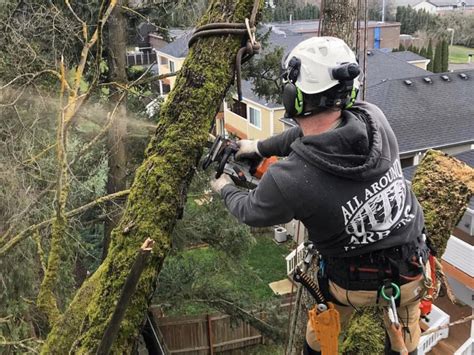
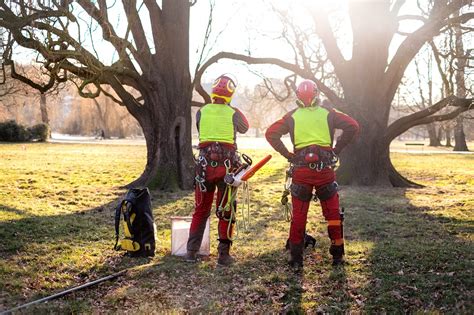
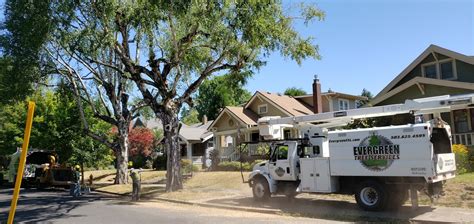
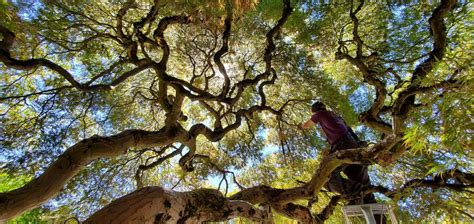
Tree removal can be done in several ways, depending on size and access. Small trees may be cut down in sections and hauled away. Larger trees are often removed limb by limb, then cut into manageable trunk sections. Stumps can be ground out, excavated, or left to decay if that fits the site. For any removal, check permit rules first; many cities require permits for regulated, protected, or heritage trees.
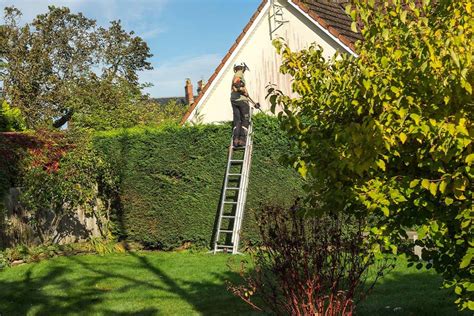
Very tall hedges should not be flattened into a hard top if you want them to stay healthy. It’s better to reduce height gradually, making cuts back to side branches or lower stems so the hedge keeps some natural shape. For width control, thin crowded growth from inside the plant instead of shearing only the outside edge. If a hedge is severely overgrown, renewal pruning over two or three seasons is usually better than one drastic cut.
For building clearance, prune to remove branches that will hit walls, roofs, walkways, or vehicles, but keep cuts clean and limited to the amount needed. On protected trees, rules may limit how much canopy can be removed without a permit, and construction near roots can trigger extra review.
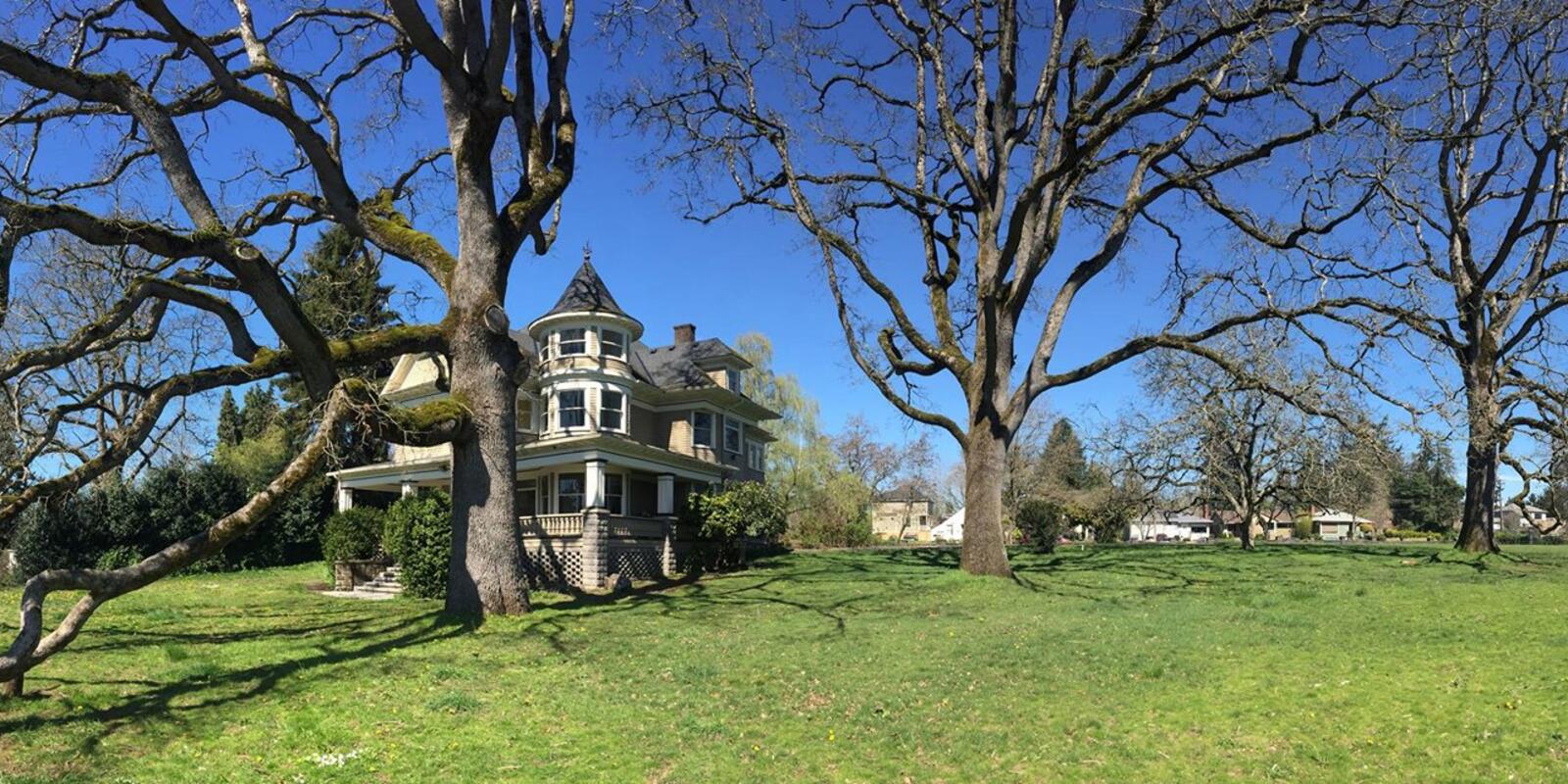
Heritage trees and protected trees deserve special care. These trees often need permits before removal or major impact, and some cities treat them as especially significant because of size, species, history, or community value. On construction sites, tree protection zones should be fenced off before work starts, with no storage, trenching, grading, or equipment traffic inside the zone. If a project can’t avoid that area, an arborist should design the protection plan.
Trees that generally shouldn’t be planted too close to structures are large-maturing species with aggressive roots, heavy limbs, or broad canopies that will crowd roofs, foundations, and driveways. Avoid placing big oaks, sycamores, poplars, willows, and large pines right next to buildings; give them room from the start so you don’t end up pruning for conflicts later.
treepruningcity permitarboristchainsaw