
Portland Garden Drainage Check: Find Puddles Before Sunday
November 16, 2026🔗 Share
A drainage check is the most useful job you can do this week. The soil this time of the year is usually already close to holding all the water it can, and Sunday is expected to bring around an inch of rain if the forecast holds. Thursday looks like the driest day, so that's your window to sort out downspouts, mulch the perennial crops, and get the last bulbs in the ground.
This Week's Action List
- 1
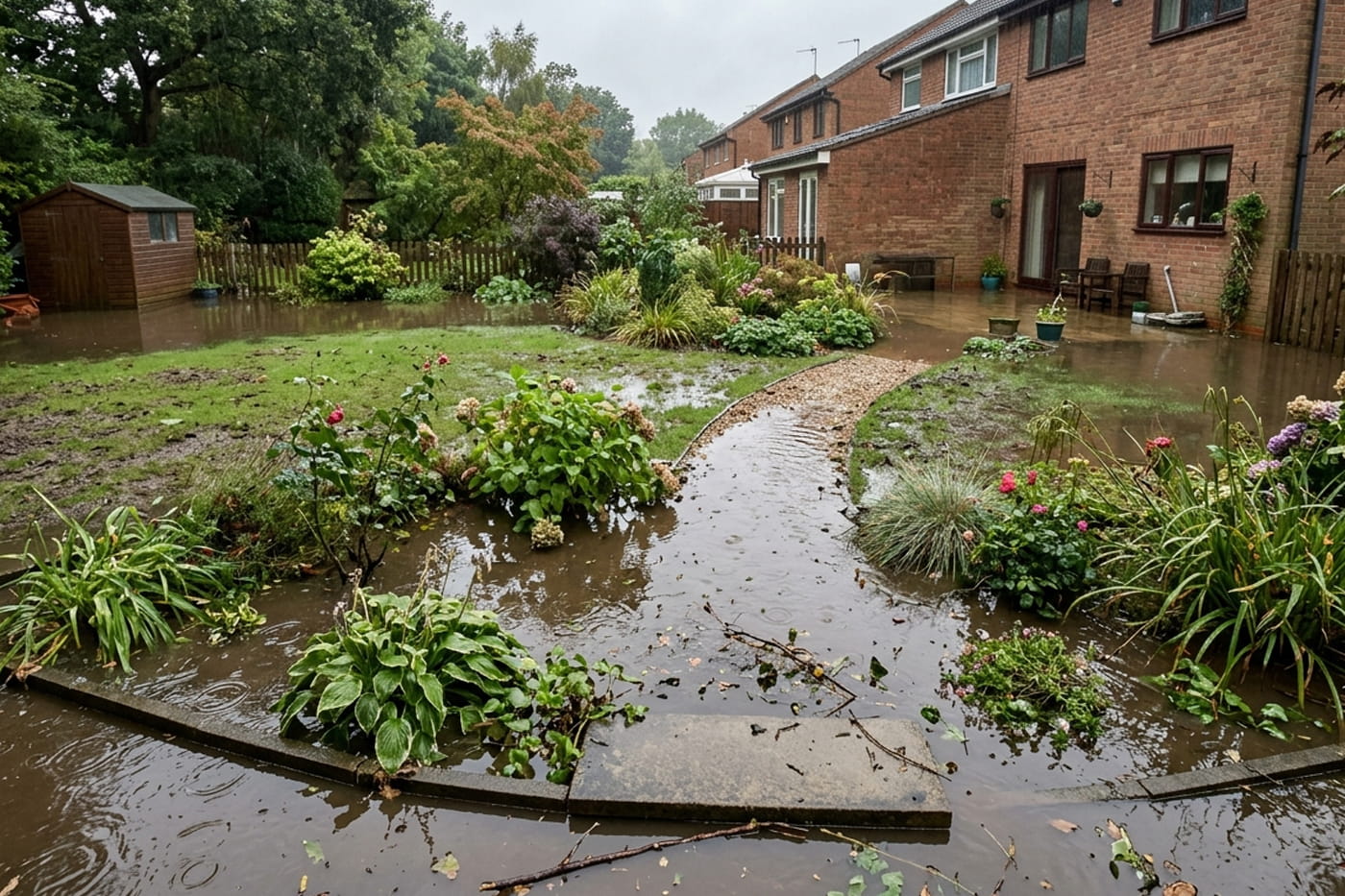
Standing water that's still sitting in a bed more than 24 hours after rain is the sign you're looking for, and Monday or Tuesday of next week, right after Sunday's expected soaking, is the ideal time to spot it. Walk the yard, push a stake in at every lingering puddle, and note which plants are sitting in it, because roots in waterlogged soil can't get oxygen and that's how crown rot gets started over winter.
- 2
Thursday has only a 4% chance of rain, so make it the day you walk the gutters and downspouts before Saturday's light showers and Sunday's heavier rain. A downspout emptying onto a foundation bed or right beside a raised bed is dumping a whole roof's worth of runoff in one spot, and a simple extension or splash block that carries it out toward the lawn is one of the cheapest drainage fixes there is.
- 3
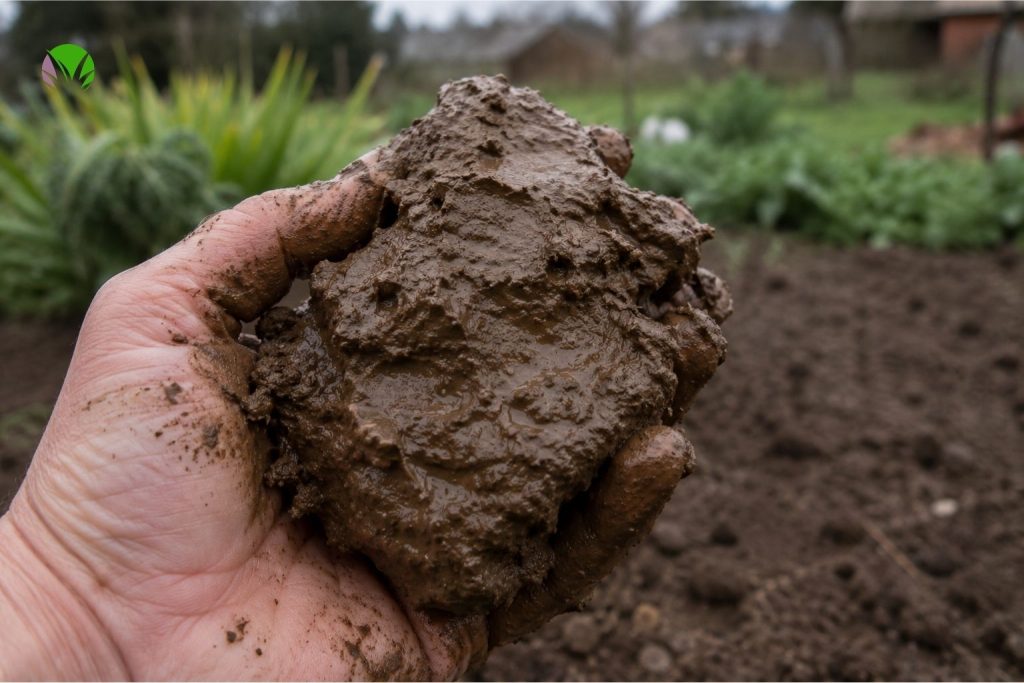
The common mistake here is grabbing a shovel to fix a soggy bed while it's still soggy. If a handful of soil squeezes into a sticky ball that won't crumble, digging it now compacts it and makes drainage worse, which is the opposite of what you want. For a bed that floods every winter, the real fix is lifting roots above the wet layer with a berm or raised bed, so mark the spot now and plan that project for a drier stretch.
- 4
Soil at 2 inches is running 44 to 48°F this week, which is still fine for tulips, daffodils, hyacinths, and crocus, and OSU says western Oregon gardeners can plant as late as mid December as long as the soil is workable. The catch is water: bulbs left sitting in a puddle tend to rot before spring, so skip every spot you've flagged as soggy and use a raised bed, a berm, or a big container instead. OSU's advice is not to delay, and it's sound, since the weeks ahead only get wetter.
- 5
If your garlic still isn't planted, you haven't missed the boat, since OSU's November calendar lists garlic planting for western Oregon. The same logic as bulbs applies, so tuck the cloves into your best drained bed, ideally a raised one, rather than anywhere that showed up on your puddle map.
- 6
Rhubarb and asparagus crowns do well with a winter blanket, and OSU recommends covering those beds with composted manure topped with straw this month, plus mulching your berry plantings. The straw also keeps heavy rain from pounding bare soil into a crust. Thursday's dry spell makes this a far less muddy job than it'll be on Sunday.
- 7
If you're forcing bulbs in water, say hyacinths in forcing glasses, Portland Nursery's method calls for 4 to 8 weeks in a cool, dark room kept below 50°F before you bring them into the light. An unheated garage or basement corner usually works, which is good news for anyone whose house is too warm for this.
- 8
Stored dahlia tubers deserve a quick look this week, and it takes five minutes. Anything soft, mushy, or smelling off should go in the trash rather than the compost, so the rot doesn't spread to its neighbors in the box.
- 9
While the wet spots are fresh, sketch your yard in a garden journal and mark every place water collected. It feels like busywork in November, but next spring when you're deciding where tomatoes or a new shrub should go, that little map tells you exactly where not to put them.
Frequently Asked Questions
How do I know if my yard has a drainage problem in Portland?
Check your beds the day after a heavy rain. If water is still standing more than 24 hours later, the soil isn't draining fast enough, and plants in that spot are at risk of root and crown rot over the wet winter. Common fixes are redirecting downspouts and building raised beds or berms to lift roots above the soggy layer.
Is it too late to plant tulip bulbs in Portland in November?
No. OSU says western Oregon gardeners can plant spring bulbs as late as mid December if the soil is still workable, though sooner is better. Soil this week is running 44 to 48°F at 2 inches, and the most important thing is avoiding spots where water pools, since soggy soil rots bulbs.
Do I need to water my garden in November in Portland?
Not for established plants. Portland averages about 5.45 inches of rain in November, and this week's forecast calls for around 1.36 inches, most of it expected Sunday. In this season the bigger risk is too much water, so put your effort into drainage instead of the hose.