Growing from seeds - no biology degree needed. Promise!

A quick word about seed germination:
- Moisture: seeds need consistent moisture to wake up and start growing. Not soggy, not dry, just evenly damp. If they dry out at the wrong time, germination can stall or fail.
- Temperature: every seed has a preferred temperature range. Some want cool soil, others need warmth before they’ll sprout. Timing matters.
- Oxygen: seeds need air as well as water. Dense, waterlogged soil can slow things down or stop germination altogether.
- Light or darkness: some seeds need light to germinate, while others need to be buried. The packet or variety guide usually tells you which.
There are also a few common ways to help seeds get started:
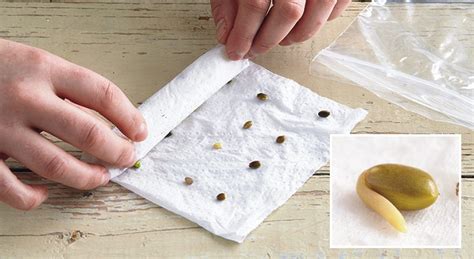
- Wet paper towel technique: place the seeds between damp paper towels, seal them in a bag or container, and keep them warm. This is a simple way to check germination before planting.
- Soaking technique: soak seeds in water for a few hours or overnight, depending on the seed type. This softens the seed coat and can speed up sprouting.

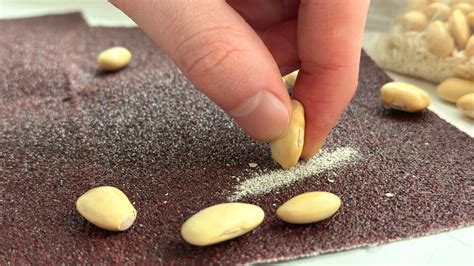
- Scarifying technique: nick, sand, or lightly crack hard seed coats so water can get in. This helps especially with tough seeds that resist germination.
- Direct sowing in soil: plant the seeds straight into their final growing spot. This is often the easiest method for seeds that dislike being moved or transplanted.
Once the seed has the right mix of moisture, temperature, air, and placement, it swells, breaks open, and sends out its first root and shoot. After that, steady care and patience do the rest.
seedsgerminationpropagationculturerootsnutrients