Mulch in beds, what, how much, when and where
Mulch: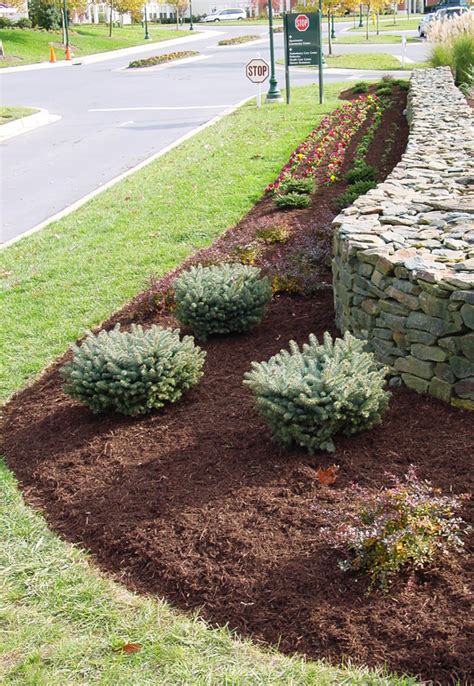
- Weed control: mulch does a good job of blocking light and making it harder for weed seeds to get started. In the Pacific Northwest, where mild weather can keep weeds active for a long stretch of the year, that alone makes mulch worth considering.
- Moisture retention: mulch helps slow evaporation and keeps the soil from drying out too fast during warmer, drier periods. That can make watering a little more efficient and reduce stress on plants.
- Soil moderation: a mulch layer helps buffer soil temperature, which is useful when weather shifts from cool and wet to unexpectedly dry. It gives roots a more stable environment.
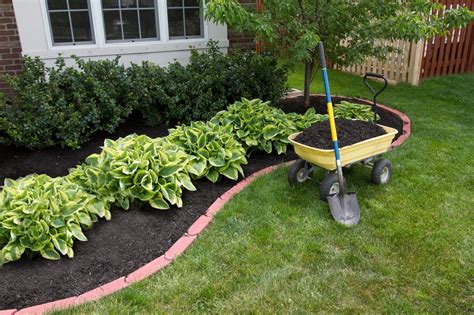
- Appearance: fresh mulch gives beds a clean, finished look and helps define the shape of the landscape.
There are some tradeoffs, though. Too much mulch can cause problems, especially if it is piled against stems or trunks. That can hold too much moisture in the wrong place and encourage rot. Some organic mulches, especially bark and wood-based products, can also temporarily tie up nitrogen as they break down, which can matter most for small plants and new transplants. And in wetter parts of the region, mulch that is too thick can stay soggy longer than it should.
Common mulch types you’ll see around Portland include arborist wood chips, hemlock, fir, and cedar barkdust, as well as composted mulch blends. For beds that need a more finished look, finer barkdust is commonly used, while bigger grades are often used where function matters more than appearance.
If you’re looking at soil and compost mixes instead, the usual options include garden soil, raised bed mix, planting mix, compost, composted manure, and soil conditioner blends. These products are used more to build or improve planting beds than to cover the surface like mulch does, so it helps to choose the right one for the job.
The best time to mulch is usually spring or early summer, after the soil has had a chance to warm up a bit but before the driest part of the season really sets in. Fall can also work well if you want to protect roots before winter. The main time to avoid is right after heavy rain or when the soil is already saturated, since that can trap too much moisture and create problems for the plants.
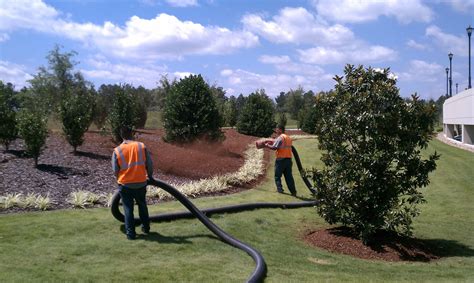
You can spread it by hand for smaller beds, shovel it from a wheelbarrow and rake it smooth for medium areas, or use blown mulch for larger landscapes. However you apply it, the key is to keep the layer even, avoid burying stems, and leave a little breathing room around the base of each plant.
mulchbarkdustcompostfirhemlockpinecypresscedarchips