These Plants Are Not Your Friends
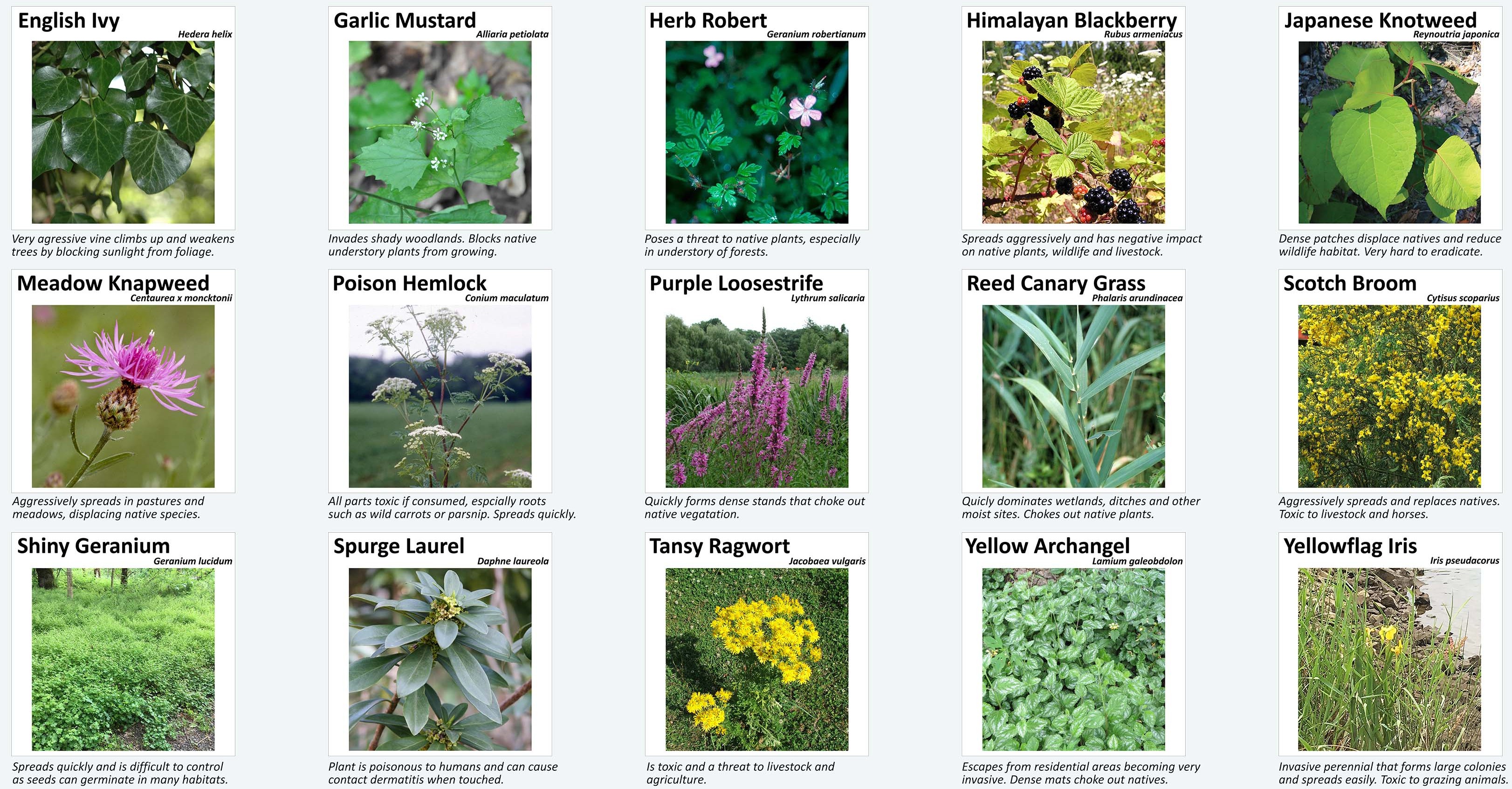
Invasive and Nuisance Plants to Avoid in Portland, Oregon
In the Portland area, several aggressive invaders pose serious threats to both local ecosystems and property infrastructures. Here is a list of what you shouldn't plant, and how to remove them if they are already established.
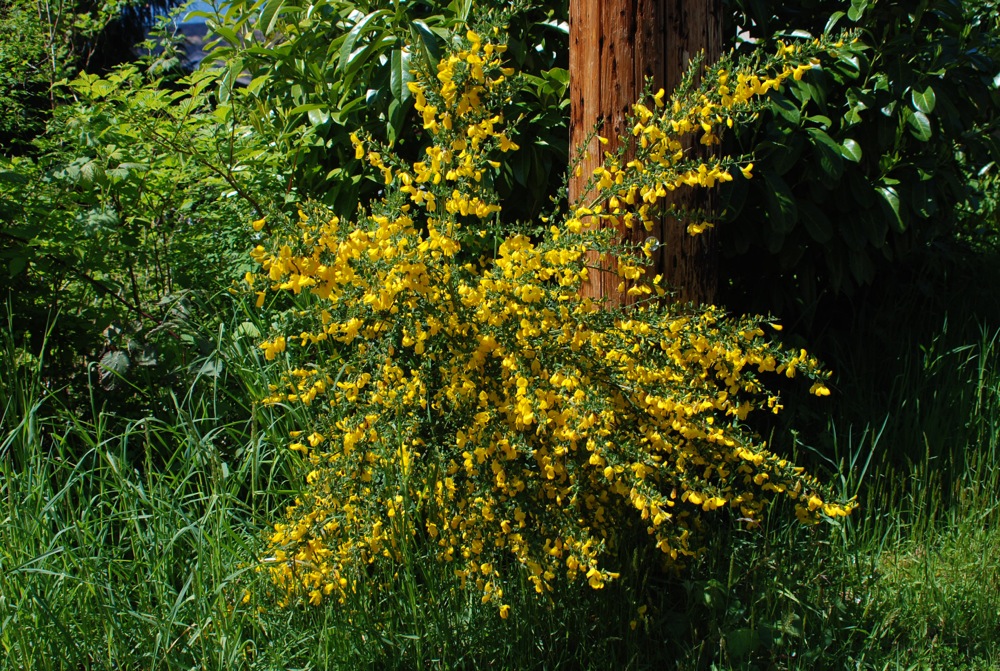
Scotch broom
Botanical Name: Cytisus scoparius
Common Name(s): Scotch broom, common broom
Habitat: Open, disturbed sites, roadsides, pastures, and clearcuts. It thrives in full sun and well-drained soils.
Type of Invasiveness: This aggressive shrub forms dense, impassable thickets that crowd out native plants and forage species. It is highly flammable, creating significant fire hazards, and its seeds can remain viable in the soil for decades.
Best Control Method: For young plants (pencil thickness or less), hand-pulling when the soil is moist is highly effective. For mature shrubs, use a specialized weed wrench to extract the taproot, or cut the trunk below the soil line during the dry summer months to prevent resprouting.
Like with many of the plants listed below, constant supervision is the key here; turning your back on them for a season could be fatal.
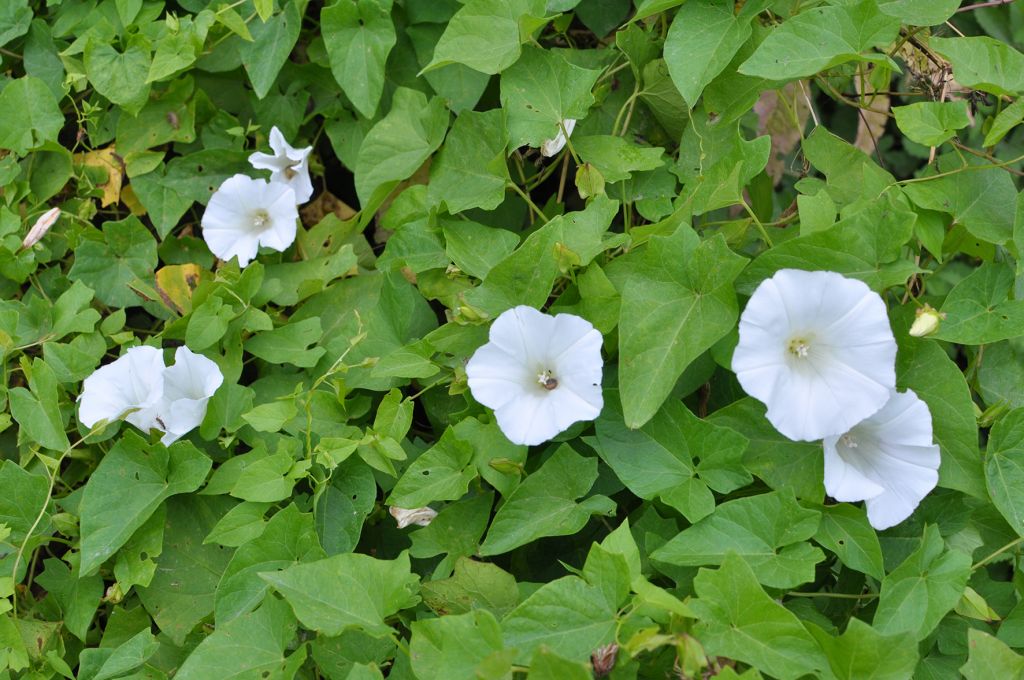
Morning glory
Botanical Name: Ipomoea spp.
Common Name(s): Morning glory, bindweed, climbing morning glory
Habitat: Roadsides, gardens, fence lines, fields, and disturbed urban edges.
Type of Invasiveness: A vigorous twining vine that spreads fast and smothers nearby plants. It climbs over shrubs, fences, and crops, forming dense tangles that block sunlight and weaken its neighbors.
Best Control Method: Pull young plants before they set seed, dig out the roots and underground runners as thoroughly as possible, and repeat removal regularly. For larger infestations, cut vines back and cover the area with mulch or opaque tarp to starve regrowth.
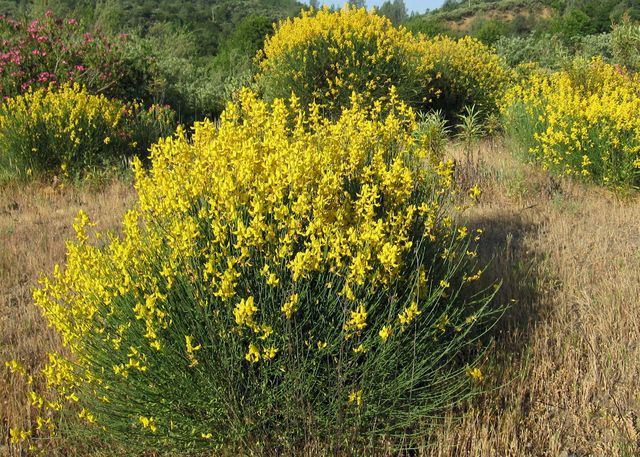
French broom
Botanical Name: Genista monspessulana
Common Name(s): French broom, Montpellier broom
Habitat: Coastal scrub, oak woodlands, disturbed areas, and roadsides.
Type of Invasiveness: Similar to Scotch broom, it aggressively colonizes disturbed areas, displacing native flora and creating extreme fire risks due to its dense, volatile foliage. It produces copious amounts of seed.
Best Control Method: Hand-pulling or wrenching is effective for smaller infestations before they set seed. Repeated mowing or cutting can eventually exhaust the root system, but controlled, targeted herbicide application on cut stumps is often necessary for large stands.
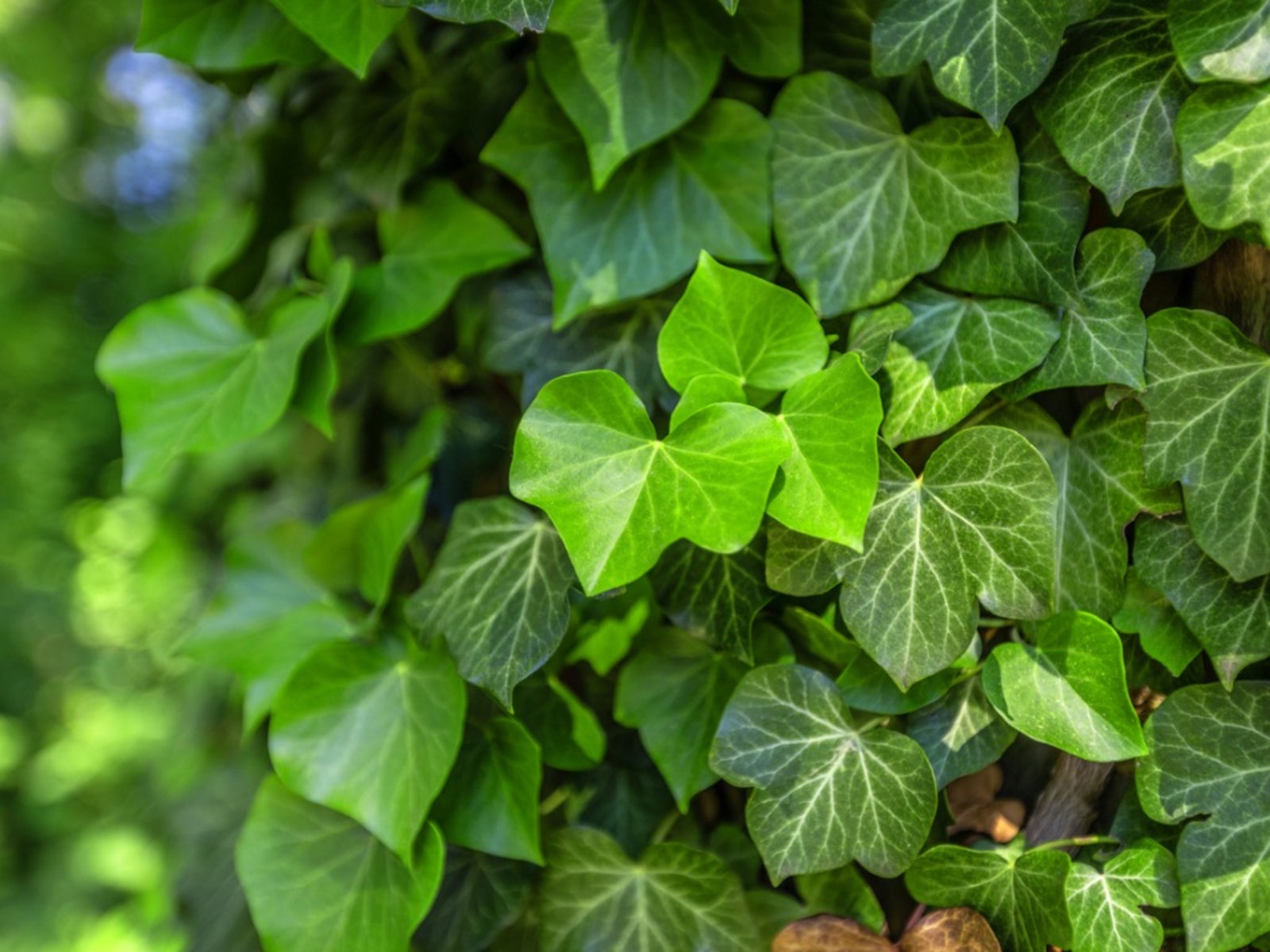
English ivy
Botanical Name: Hedera helix
Common Name(s): English ivy, common ivy
Habitat: Forest understories, riparian zones, urban parks, and residential areas.
Type of Invasiveness: A relentless free-climber and groundcover. On the ground, it creates a mat where nothing else can grow. When climbing, it can easily strangle mature trees, block sunlight in the canopy, and add enough weight to cause them to collapse in storms.
Best Control Method: For climbing vines, create a ring by cutting the vines at shoulder height and the base of the trunk, leaving the upper vines to die and decay in the tree. For groundcover, pull the vines by hand, ensuring you remove the root systems, and dispose of them in the trash.
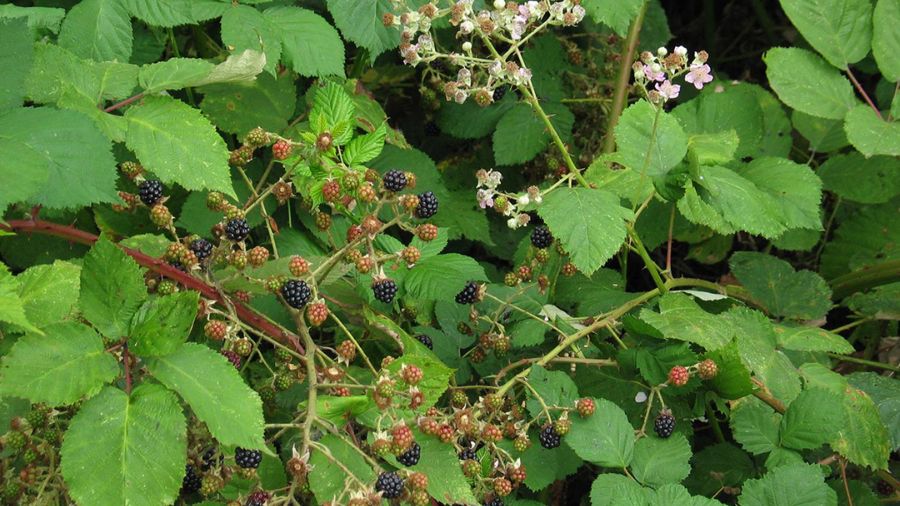
Himalayan blackberry
Botanical Name: Rubus armeniacus
Common Name(s): Himalayan blackberry, Armenian blackberry
Habitat: Riparian areas, forest edges, clearcuts, roadsides, and unmaintained urban lots.
Type of Invasiveness: Forms towering, impenetrable thickets of stout, deeply-ridged thorny canes. It aggressively overtakes native vegetation, limits the movement of large wildlife, and spreads rapidly via seeds distributed by birds.
Best Control Method: Mechanical removal using a brush mower or loppers to clear the canes, followed by manually digging out the massive root crowns with a shovel. For very large areas, applying a targeted systemic herbicide to freshly cut stumps is highly effective.
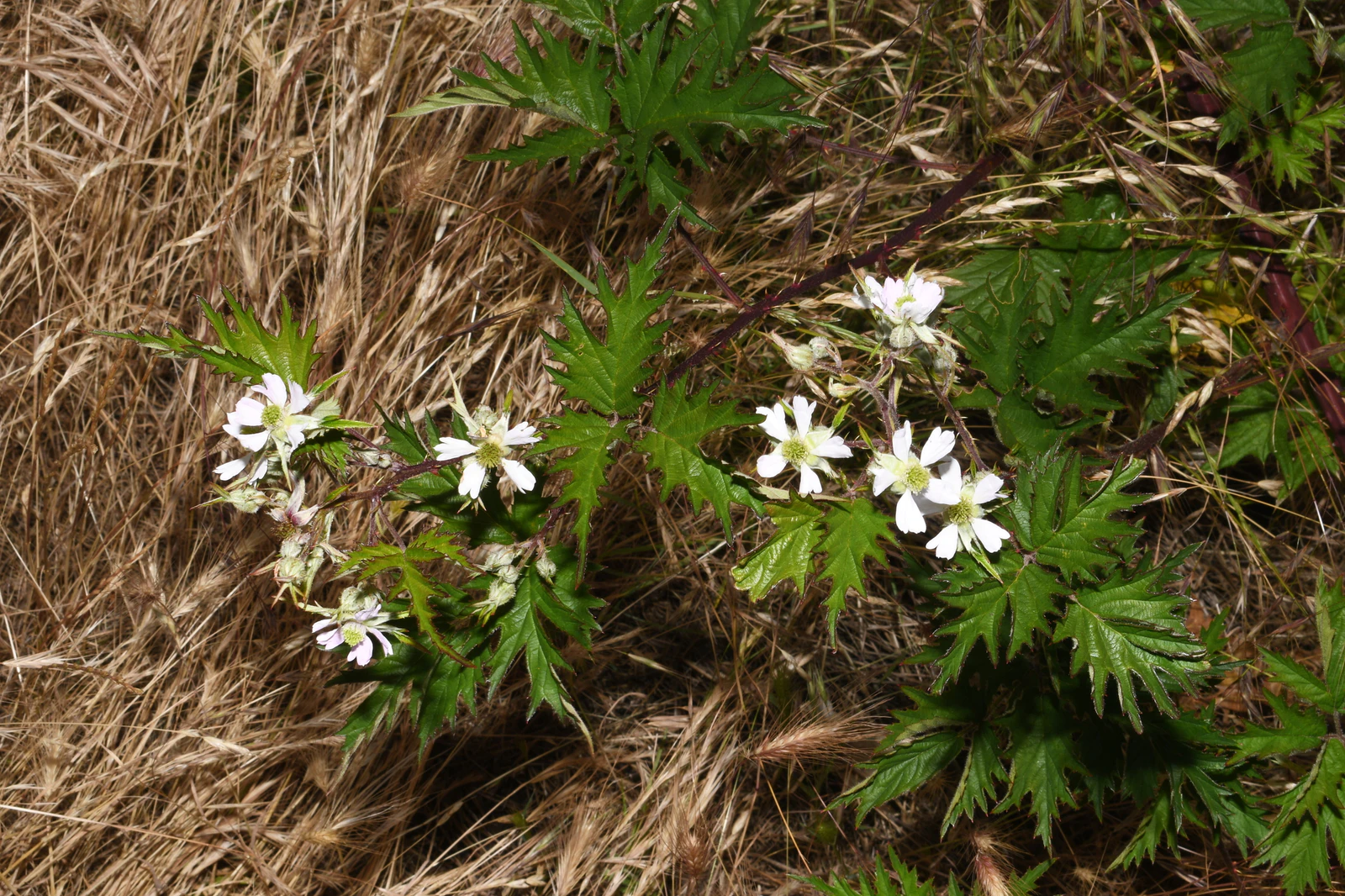
Evergreen blackberry
Botanical Name: Rubus laciniatus
Common Name(s): Evergreen blackberry, cut-leaf blackberry
Habitat: Forest edges, riparian corridors, and disturbed sites, often mixed with Himalayan blackberry.
Type of Invasiveness: Originally introduced for fruit production and landscaping, this heavily armored, thorny vine forms dense thickets similar to the Himalayan variety. It easily escapes cultivation and outcompetes native shrubs and young trees.
Best Control Method: Control is identical to Himalayan blackberry: cut down the above-ground canes and manually dig out the entire root crown, or apply targeted herbicide to the cut stems to prevent vigorous resprouting.
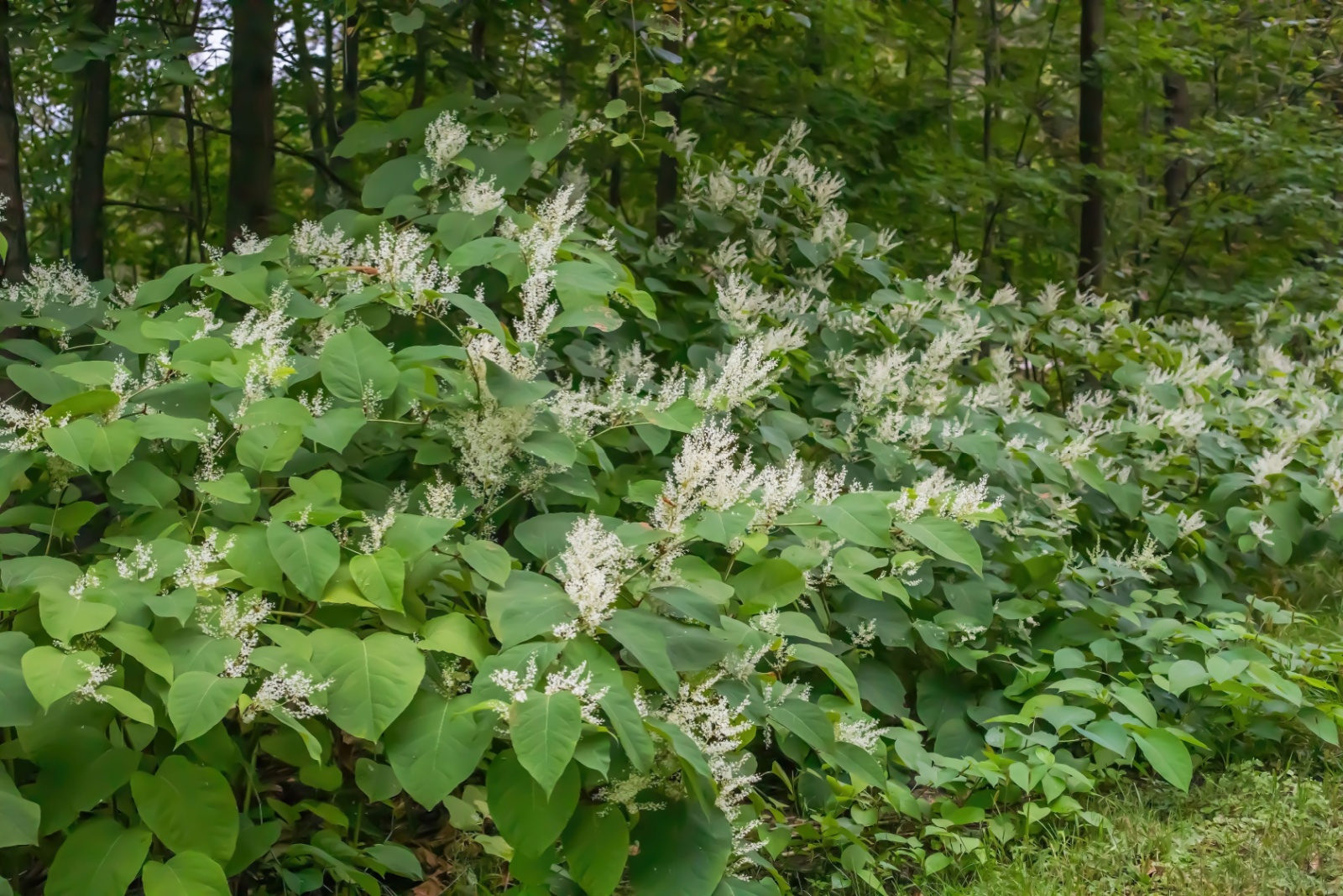
Japanese knotweed
Botanical Name: Fallopia japonica (syn. Polygonum cuspidatum)
Common Name(s): Japanese knotweed, fleeceflower
Habitat: Riverbanks, roadsides, disturbed areas, and urban lots.
Type of Invasiveness: One of the most destructive invasive plants worldwide. It has a massive, deep rhizome system that can punch through asphalt, concrete foundations, and retaining walls. Even a tiny fragment of root or stem can sprout a new plant, meaning it spreads rapidly during floods or improper soil moving.
Best Control Method: **Do not mow or dig it.** Cutting or digging stimulates the root system to spread further, and fragments easily create new infestations. The only reliable control method is targeted foliar herbicide application or direct stem injection by a licensed professional in late summer.
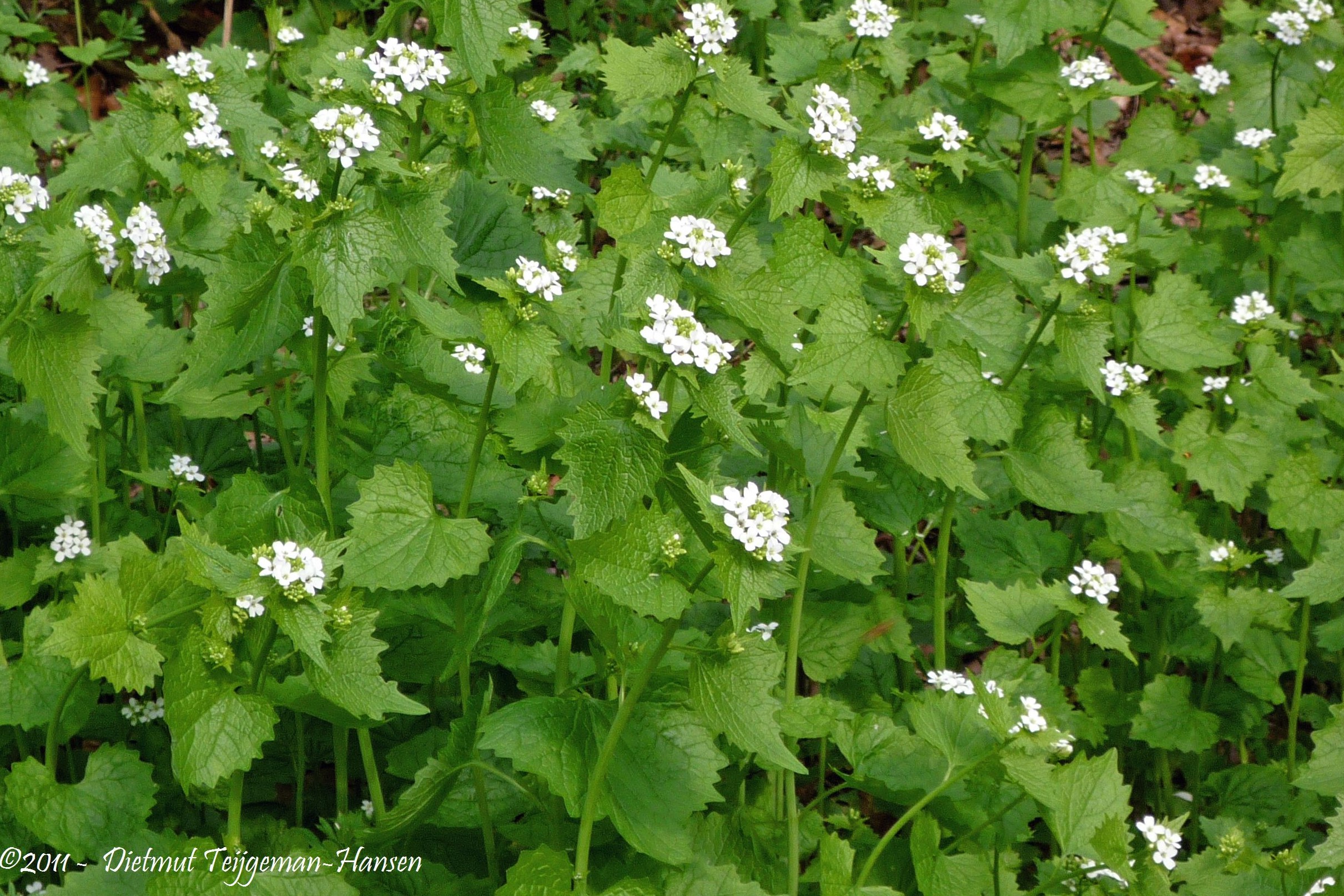
Garlic mustard
Botanical Name: Alliaria petiolata
Common Name(s): Garlic mustard, Jack-by-the-hedge
Habitat: Forest understories, trail edges, and shaded yards.
Type of Invasiveness: This biennial weed forms dense carpets that smother native spring ephemeral wildflowers. Worse, it produces allelopathic chemicals in its roots that actively suppress the growth of surrounding plants and beneficial soil fungi that native trees rely on.
Best Control Method: Hand-pulling is very effective, but you must ensure you pull the entire taproot (a gentle twisting motion helps). It must be pulled before it goes to seed, and all pulled plants must be securely bagged and put in the trash, as they can continue to mature seeds even after being uprooted.
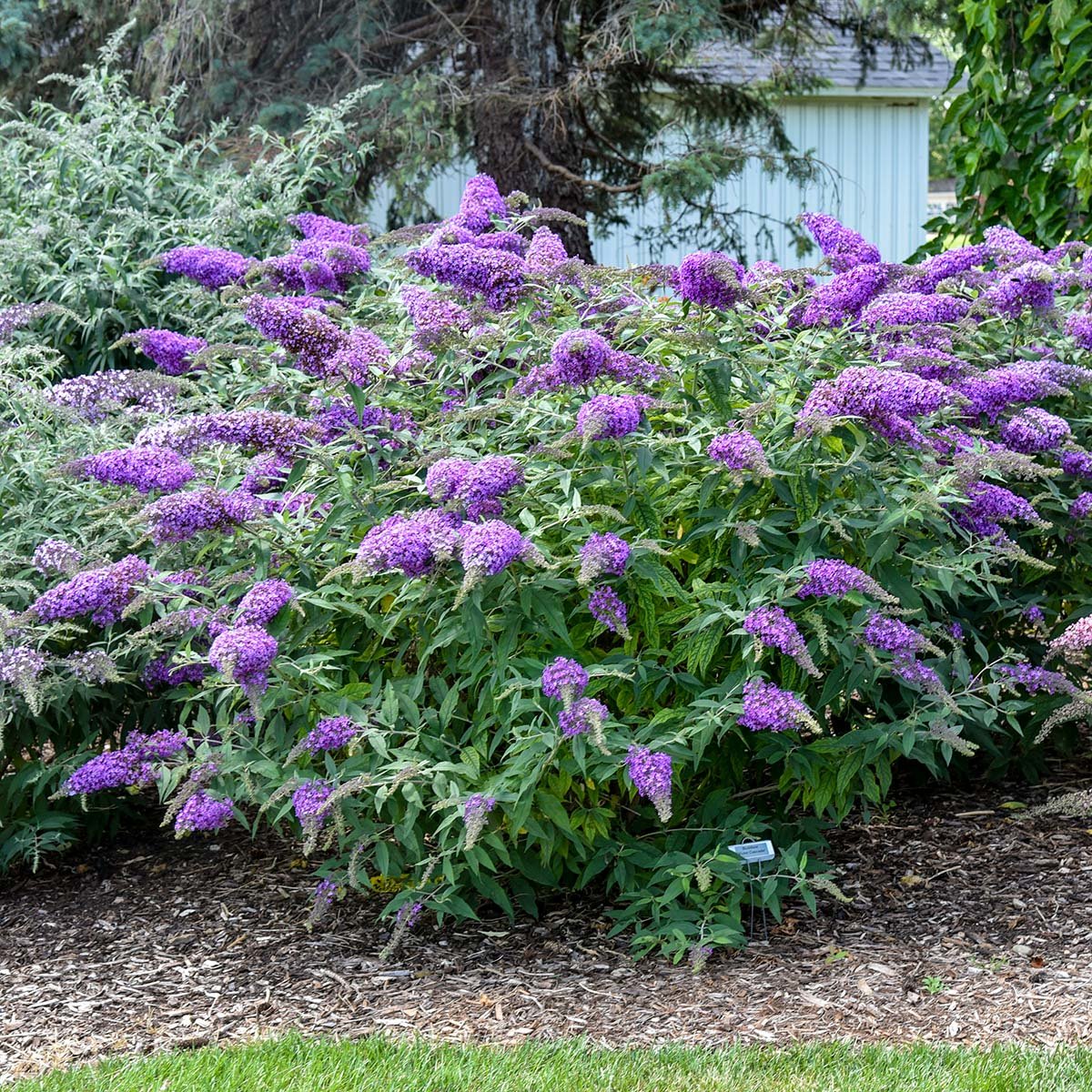
Butterfly bush
Botanical Name: Buddleja davidii
Common Name(s): Butterfly bush, summer lilac
Habitat: Riparian areas, riverbanks, roadsides, and disturbed open spaces.
Type of Invasiveness: Despite its popularity in gardens, it produces copious amounts of wind-dispersed seeds. It forms dense thickets, particularly along riverbanks, displacing native willows and degrading habitat. While it provides nectar for adult butterflies, it is not a host plant for native caterpillars.
Best Control Method: Small plants can be hand-pulled or dug up. Larger shrubs should be cut at the base, and the stumps treated with herbicide to prevent resprouting. If currently cultivating, deadheading flowers before they go to seed is critical to limit spread.
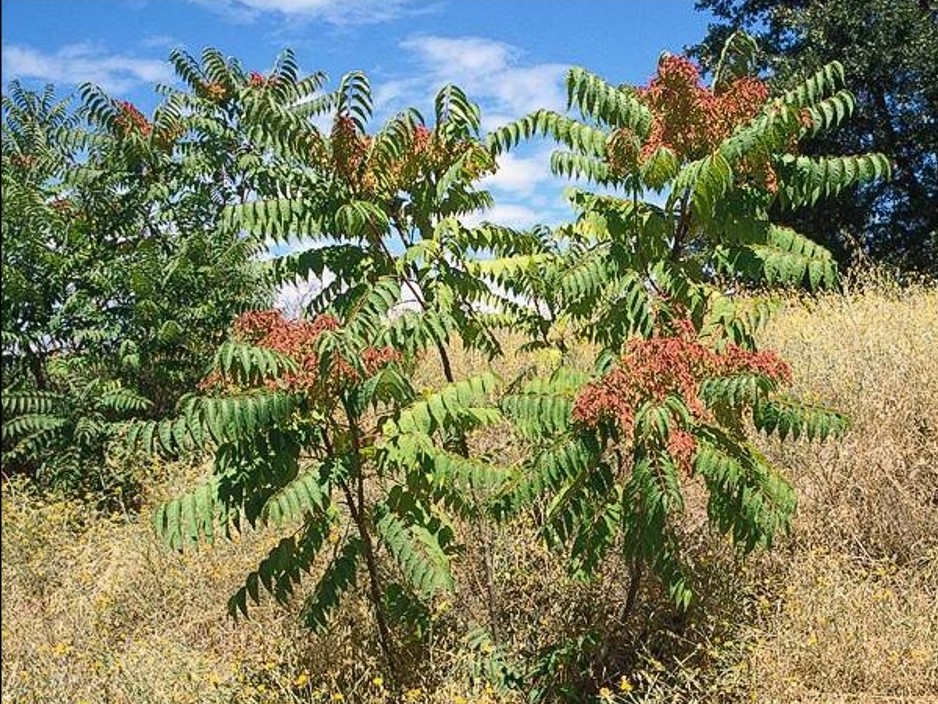
Tree of heaven
Botanical Name: Ailanthus altissima
Common Name(s): Tree of heaven, Chinese sumac
Habitat: Urban lots, roadsides, forest edges, and riparian corridors.
Type of Invasiveness: Grows extremely fast, forms dense clonal thickets via root suckers, and produces allelopathic chemicals that inhibit the growth of other plants. It is also the preferred host for the highly invasive spotted lanternfly.
Best Control Method: DO NOT simply cut it down, as this triggers massive root suckering. Effective control requires a herbicide application into the trunk, or basal bark herbicide treatments during late summer/fall to kill the entire root system.
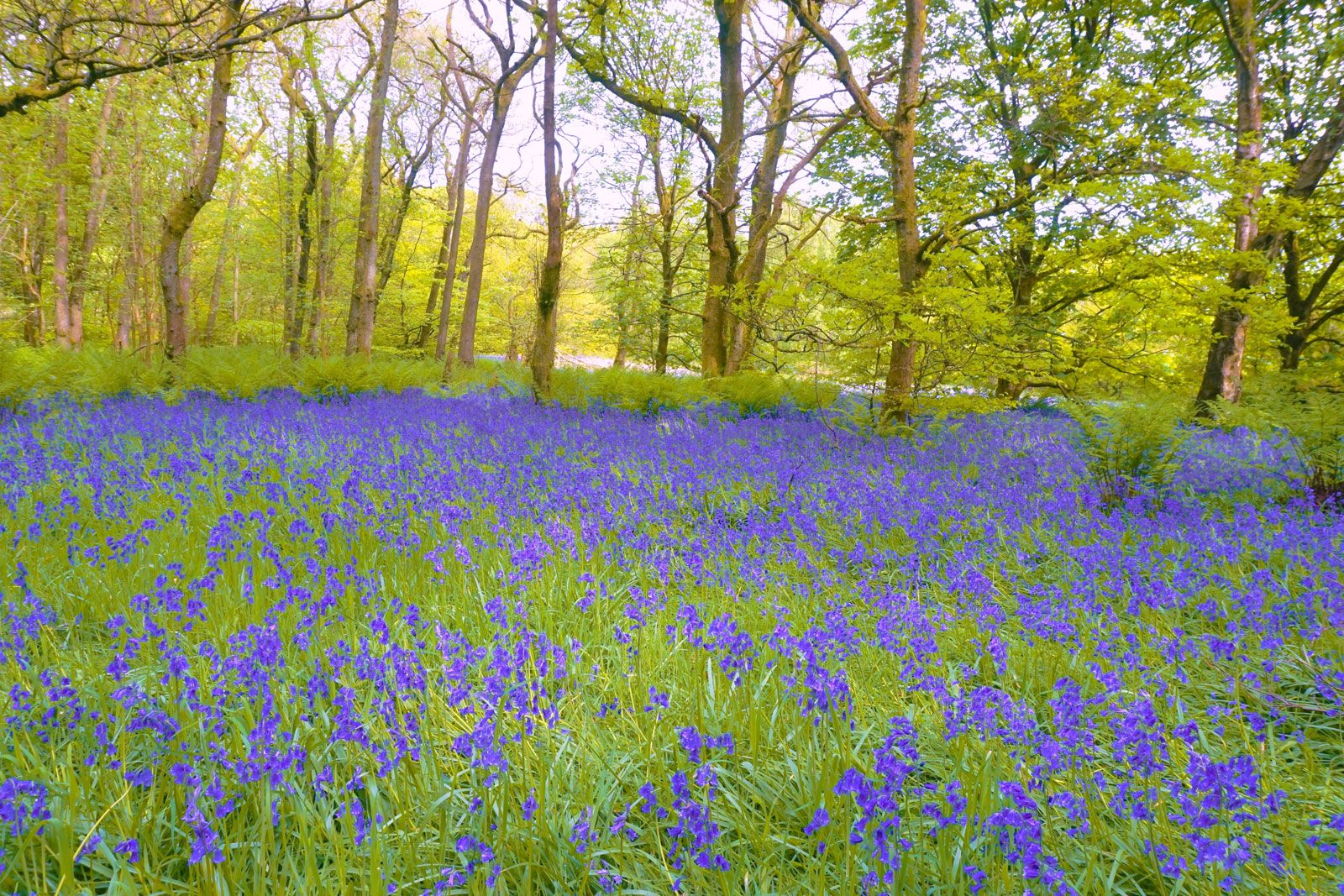
English bluebell
Botanical Name: Hyacinthoides non-scripta
Common Name(s): English bluebell, common bluebell
Habitat: Forest understories, gardens, woodland edges, and shaded areas.
Type of Invasiveness: Spreads vigorously via prolific seed production and underground bulb offsets. It escapes gardens easily, forming dense carpets that smother native spring ephemerals and completely dominate woodland floors.
Best Control Method: Manual removal is extremely tedious as every bulb and bulblet must be dug out; sifting the soil is often necessary. Dispose of all bulbs in the trash, not compost. Chemical control is difficult due to the waxy leaves, requiring specific timing and repeated applications.
Listed below are ornamental plants that can become invasive around the city, DM me if you need more details about them.
- Black locust (Robinia pseudoacacia)
- Norway maple (Acer platanoides)
- Sycamore maple (Acer pseudoplatanus)
- Siberian elm (Ulmus pumila)
- Horse chestnut (Aesculus hippocastanum)
- Cutleaf birch (Betula pendula)
- English hawthorn (Crataegus monogyna)
- English holly (Ilex aquifolium)
- Golden chain tree (Laburnum watereri)
- Empress/princess tree (Paulownia tomentosa)
- White poplar (Populus alba)
- Sweet cherry (Prunus avium)
- English laurel (Prunus laurocerasus)
invasive speciestree of heavenblue bellsivyblackberry