Fall Garden Cleanup: What to Cut Back & What to Leave Alone
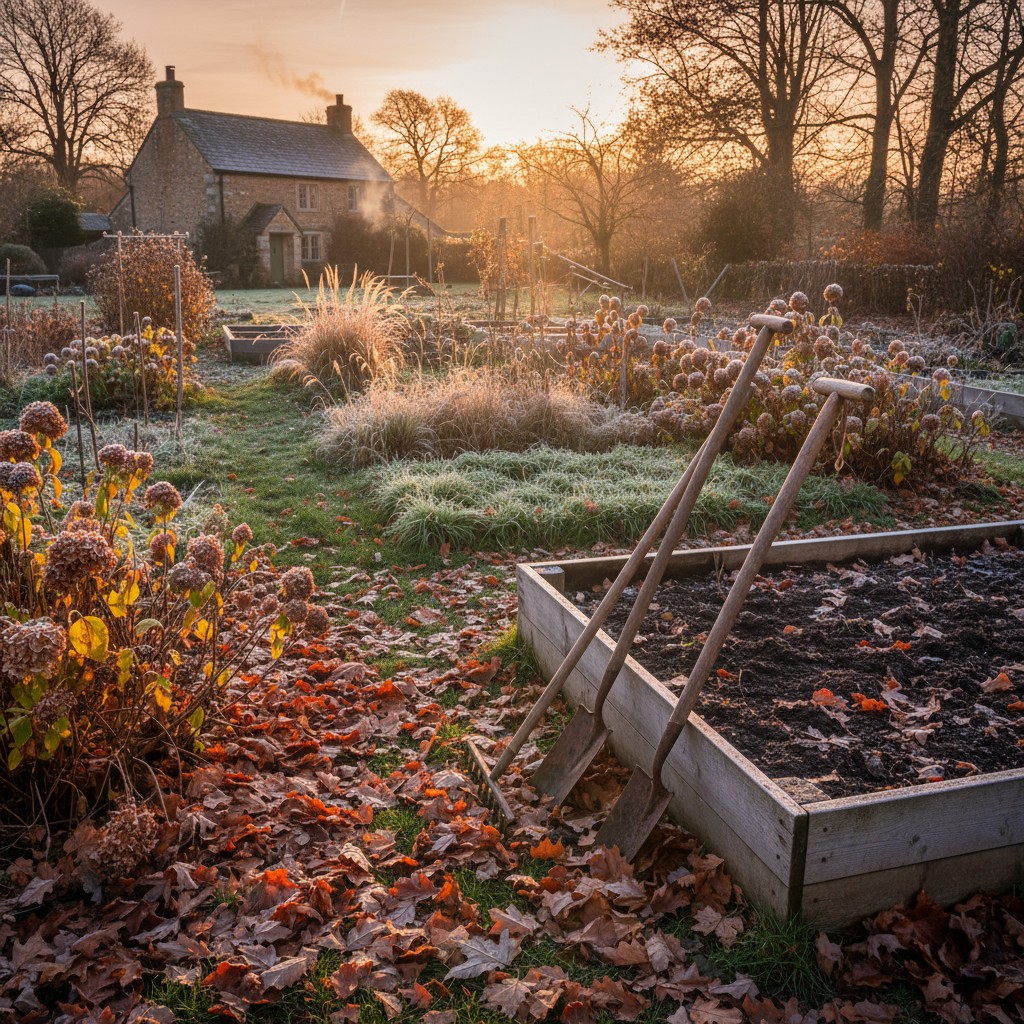
Fall is the perfect time to tidy up the garden—but don't cut everything back just yet.
A little cleanup now can help prevent disease and make spring gardening easier, while leaving some plants standing provides food and shelter for birds and beneficial insects.
🍂 What to Cut Back
Once plants have finished for the season, remove:
• Finished vegetable plants
• Dead or broken stems
• Heavily diseased foliage
• Spent annual flowers
• Perennials that are best cut back in fall
Healthy vegetable plants can go into the compost pile. Diseased plants are better removed from the garden.
Wait until perennial foliage has naturally started to die back rather than cutting everything while it's still green.
🌼 What to Leave Alone
Some of the plants that look "dead" are actually useful during winter.
Leave seed heads on plants such as coneflower, black-eyed Susan, yarrow, and sedum. They provide food for birds and add winter interest.
Leave some perennial stems standing. Hollow stems can provide winter homes for native bees and other beneficial insects.
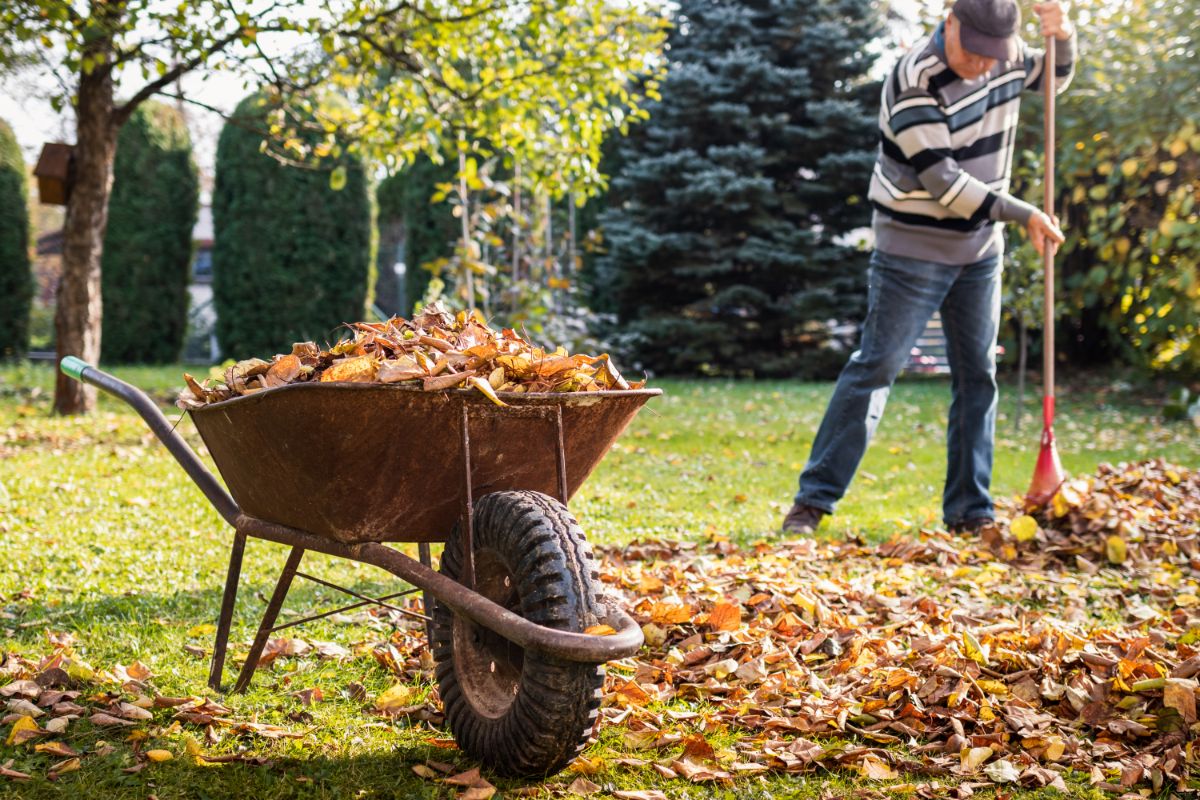
Leave some fallen leaves in garden beds. They provide habitat and eventually return nutrients to the soil. Just avoid thick, wet layers that can smother plants or lawns.
🌿 Don't Rush to Prune Shrubs
Fall isn't the right time for major pruning of every shrub. For now, focus on removing dead, damaged, or diseased branches.
Save major shaping and pruning for the appropriate season for each plant.
🐦 A Little Mess Is a Good Thing
The goal of fall cleanup isn't to make the garden completely bare.
A few dried flowers, fallen leaves, and standing stems can provide food, shelter, and habitat throughout the winter.
So this fall, clean up what needs cleaning—but leave a little behind.
Your garden doesn't have to look perfect to be healthy.
fall seasongarden cleanupcomposting