Get Some Vitamins In That Clay - Soil Amendments And Nutrients
Soil Amendments for Portland and the Pacific Northwest: A Gardener’s Guide
Gardening in the Pacific Northwest, from the damp river valleys of the Portland metro area to the coastal foothills, presents unique soil challenges. Our region is famous for heavy clay soils that compact easily in the winter rains, or conversely, sandy loam river bottoms that leach nutrients rapidly. Furthermore, native PNW soils tend to be naturally acidic due to our coniferous forests and heavy precipitation.
To help ornamental plants and vegetables thrive, local gardeners rely on targeted soil amendments. Below is a breakdown of the most popular soil amendments available at Portland-area nurseries (such as Garden Fever, Concentrates Inc., and Best Buy in Town), along with their benefits, drawbacks, and vital safety tips.
1. Garden Compost (Yard Debris & Plant-Based Composts)
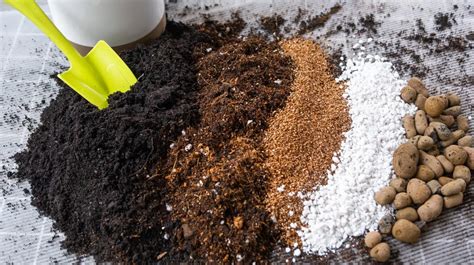
Locally produced composts — check with Rexius for their Flower-n-Garden, or McFarlane and S&H for their garden composts. Whichever 3-way mix they carry is usually a good base mix that'll serve well most gardens. These compost mixes are made from recycled local garden waste, leaves, and organic matter.
They add vital organic matter, introduce beneficial soil microorganisms, improve moisture retention in summer, and help break up heavy Portland clay.
They can sometimes introduce weed seeds if not fully sterilized (which, let's be honest, nobody can guaranty that), and generic municipal composts can occasionally carry a slightly higher salt or pH level than delicate acid-loving plants prefer.
2. Manure-Based Amendments (Chicken, Steer, & Dairy Composts)
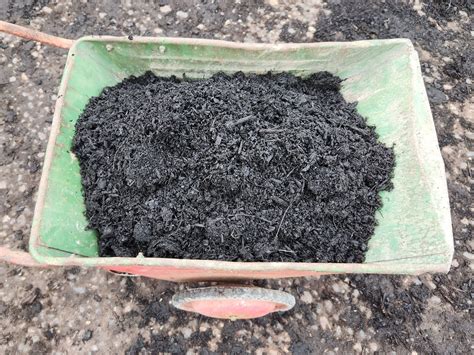
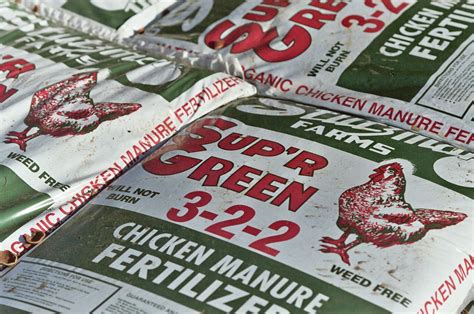
Products like Stutzman’s Sup’r Green Chicken Manure or packaged steer and dairy composts are widely stocked across Oregon garden supply yards.
These are powerhouses for plant nutrition. Chicken manure is exceptionally rich in nitrogen, phosphorus, and potassium, providing a slow-release nutrient boost that aggressively kickstarts vegetable and heavy-feeder growth.
Be careful with quantities, raw or "hot" manures can burn tender plant roots and introduce high weed seed counts or persistent herbicides if not thoroughly composted. They also have an intensely pungent odor; see below the warnings about animal life.
3. Horticultural Pumice
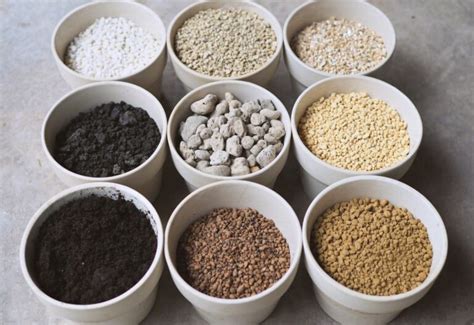
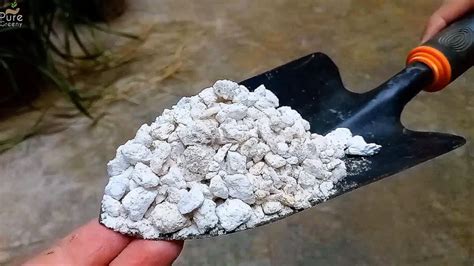
Unlike heavy regional volcanic cinders or perlite that floats away in heavy downpours, lightweight white Pumice (mined regionally and sold widely at Pacific Northwest yards like Best Buy in Town in Hillsboro) is a staple texturizing amendment.
Being completely chemically inert and pH-neutral, pumice creates permanent pore space in heavy clay soils. It dramatically improves sub-surface drainage and root aeration, which is critical for surviving waterlogged PNW winters.
It does not supply any nutrients to the soil on its own and can be expensive when purchased in large quantities for big landscape projects.
4. Acidifying Amendments (Agricultural Sulfur & Peat/Forest Humus)
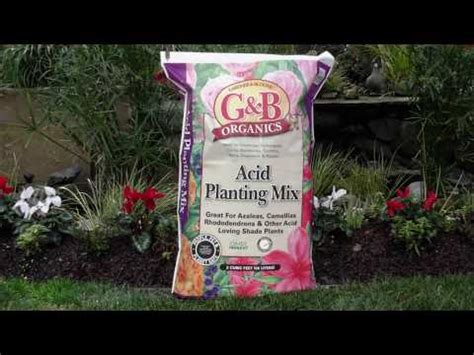
Because local PNW soils hover on the acidic side, certain plants love them, but some amendments are used to further tweak soil chemistry for plants like blueberries, rhododendrons, and conifers. Local mixes like Gardner & Bloome Acid Planting Mix lean heavily into this category.
It lowers or maintains soil pH, unlocks essential micronutrients like iron for acid-loving ornamental landscape plants. Forest humus and peat variants add fluffy texture.
Over-acidification can lock out other necessary nutrients. Sphagnum peat moss is also harvested from sensitive ecological bogs, prompting many eco-conscious Portland gardeners to seek out coconut coir alternatives.
5. Biochar: The Ancient Carbon Amendment
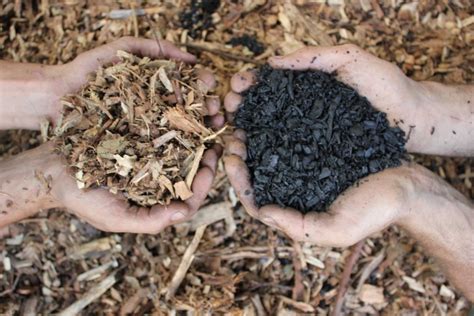
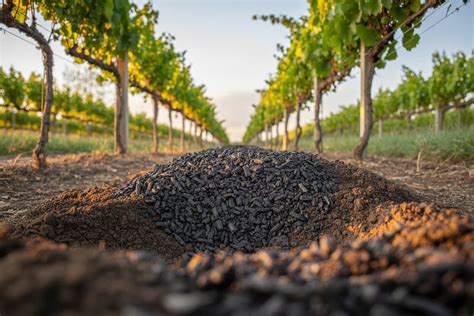
Gaining massive popularity among gardeners, biochar is a high-purity, charcoal-like substance created by burning organic biomass (such as agricultural waste, forest thinning debris, or wood chips) in a specialized, oxygen-depleted process known as pyrolysis.
Permanent Soil Structure: Unlike compost, which microbes slowly consume and break down over time, biochar is virtually permanent. Once mixed into your garden beds, it remains stable for hundreds of years, permanently improving soil aeration and drainage.
The Ultimate Nutrient and Water Sponge: Biochar possesses a microscopic honeycomb structure packed with an immense surface area. This matrix acts like a sponge, holding onto water during dry summer months and locking in vital nutrients (like nitrogen and potassium) so they aren't washed away by heavy winter rains.
Microbial Housing: It provides an ideal, protected habitat for beneficial soil fungi and microbes to colonize, boosting overall biological activity in the root zone.
Requires "Charging": Fresh, raw biochar is an "empty sponge." If added directly to the soil without being pre-charged, it will temporarily suck up all available moisture and nutrients away from your plants. It must always be "charged" or inoculated by mixing it thoroughly into compost or liquid fertilizer for a couple of weeks before applying it to your garden.
Cost: Quality biochar can be significantly more expensive upfront than standard compost or mulch amendments.
⚠️ IMPORTANT WILDLIFE & PET WARNING
Many organic soil amendments—particularly those containing blood meal, bone meal, feather meal, fish compost, and processed manures—emit rich, meaty, or earthy odors that are intensely alluring to dogs, cats, raccoons, and urban wildlife common to the area.
Dogs can dig up and ingest fertilizer-rich amendments or bone meal. I can't really blame them, it's smells like food after all! Unfortunately, this can cause severe gastrointestinal blockages, acute pancreatitis, or systemic poisoning. The best prevention is to always till or thoroughly water-in organic amendments deep beneath the soil surface so surface scents are minimized. Keep pets safely indoors or fenced away from freshly amended garden beds until the materials have fully broken down into the soil profile. I fenced my vegetable garden long ago, the mutts were too persistent!
micro nutrientssoil chemistrybiocharamendmentsmanurecompost