All the tools you'll ever need
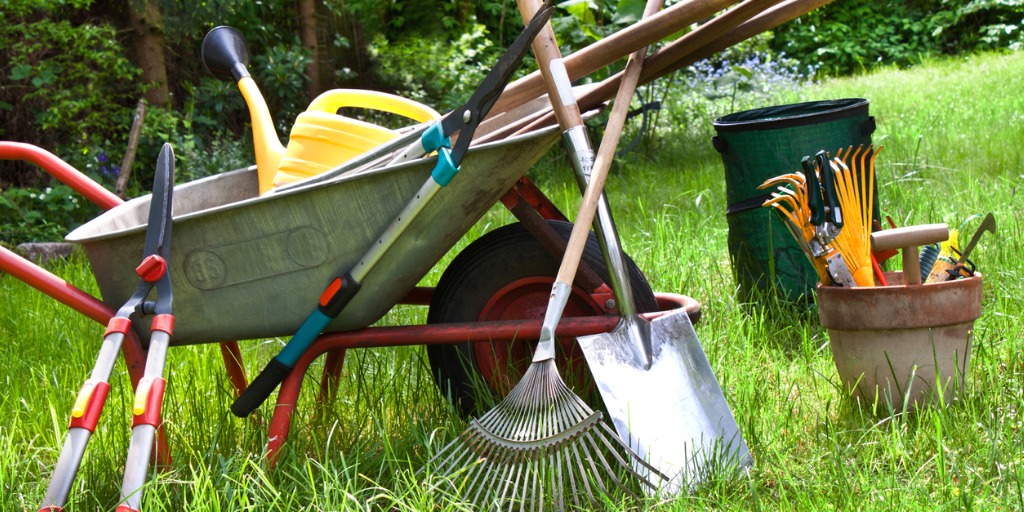
Taking care of your gardening tools not only makes your work easier but also ensures they last for years. Below is a comprehensive list of essential gardening tools, their primary purposes, and the basic maintenance needed to keep them in peak condition.
1. Hand Trowel
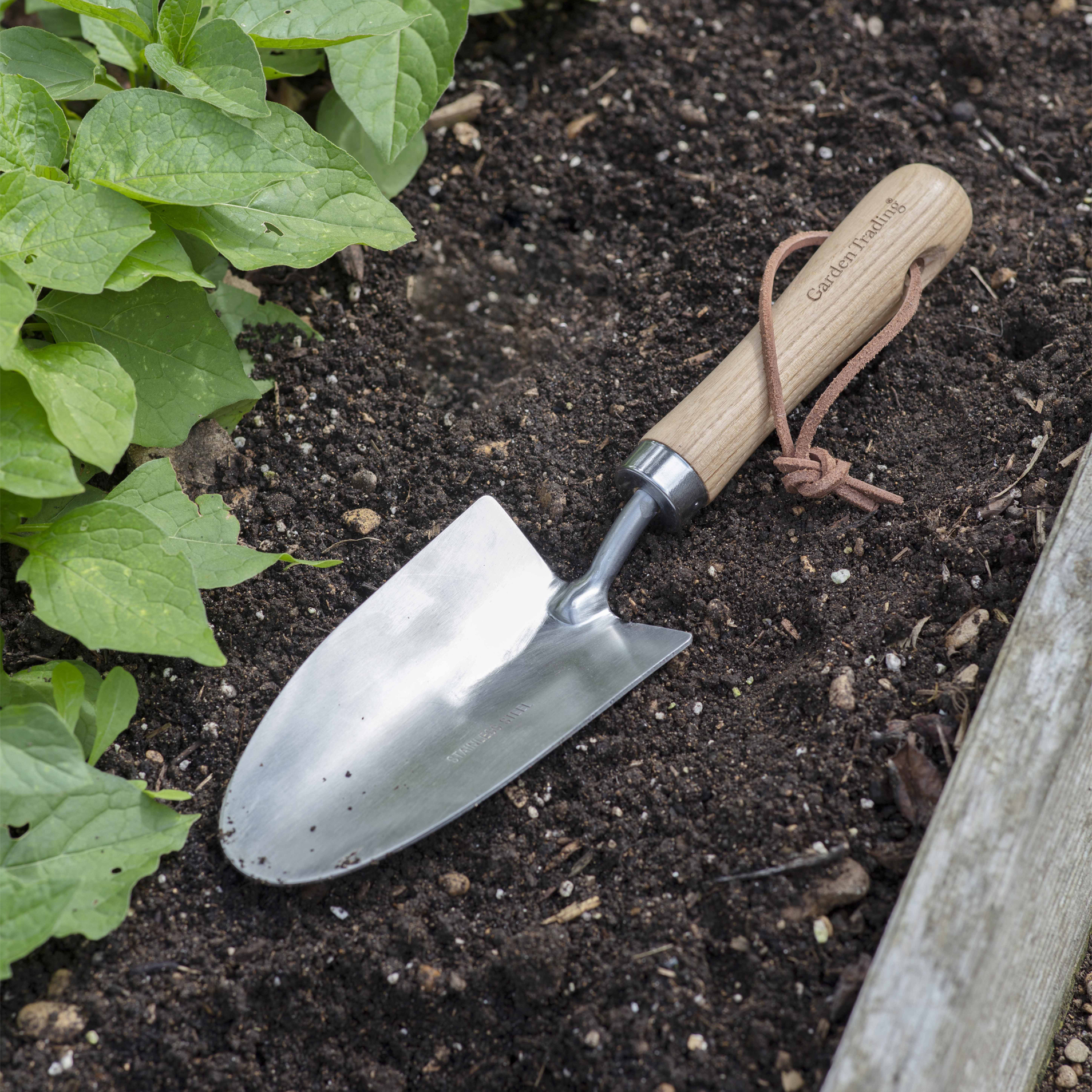
• Perfect for digging small holes, transplanting seedlings, scooping soil into pots, and tackling stubborn weeds in tight spaces.
• Wash off any caked-on dirt after every use. Dry it thoroughly with a rag to prevent rust. Once a season, rub a light coat of linseed oil or mineral oil on the metal head and wooden handle to preserve them.
2. Pruning Shears (Bypass Pruners)
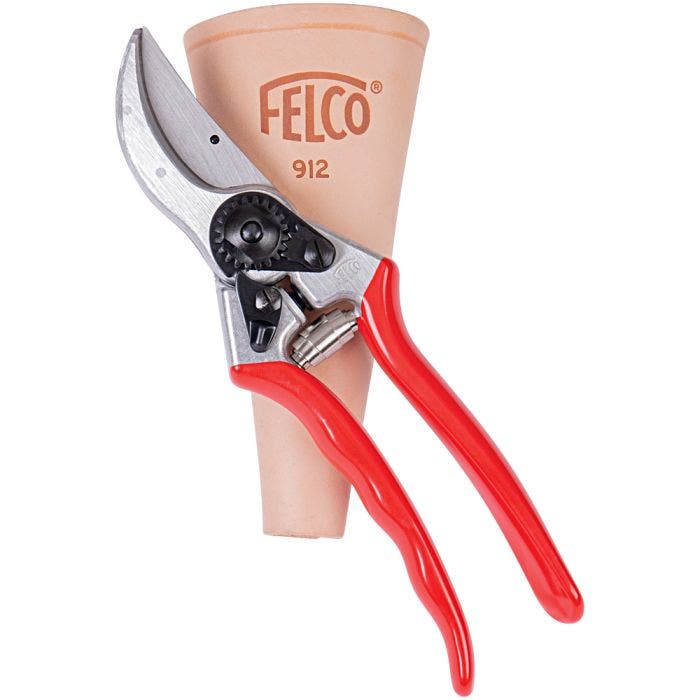
• Essential for trimming small branches, deadheading flowers, harvesting vegetables, and shaping shrubs.
• Wipe the blades clean after use to remove sticky sap. Disinfect them periodically with rubbing alcohol to avoid spreading plant diseases. Keep the hinge lubricated with a drop of multi-purpose oil, and use a diamond file to sharpen the cutting blade when it starts pulling rather than cleanly cutting.
3. Long Handle Loppers
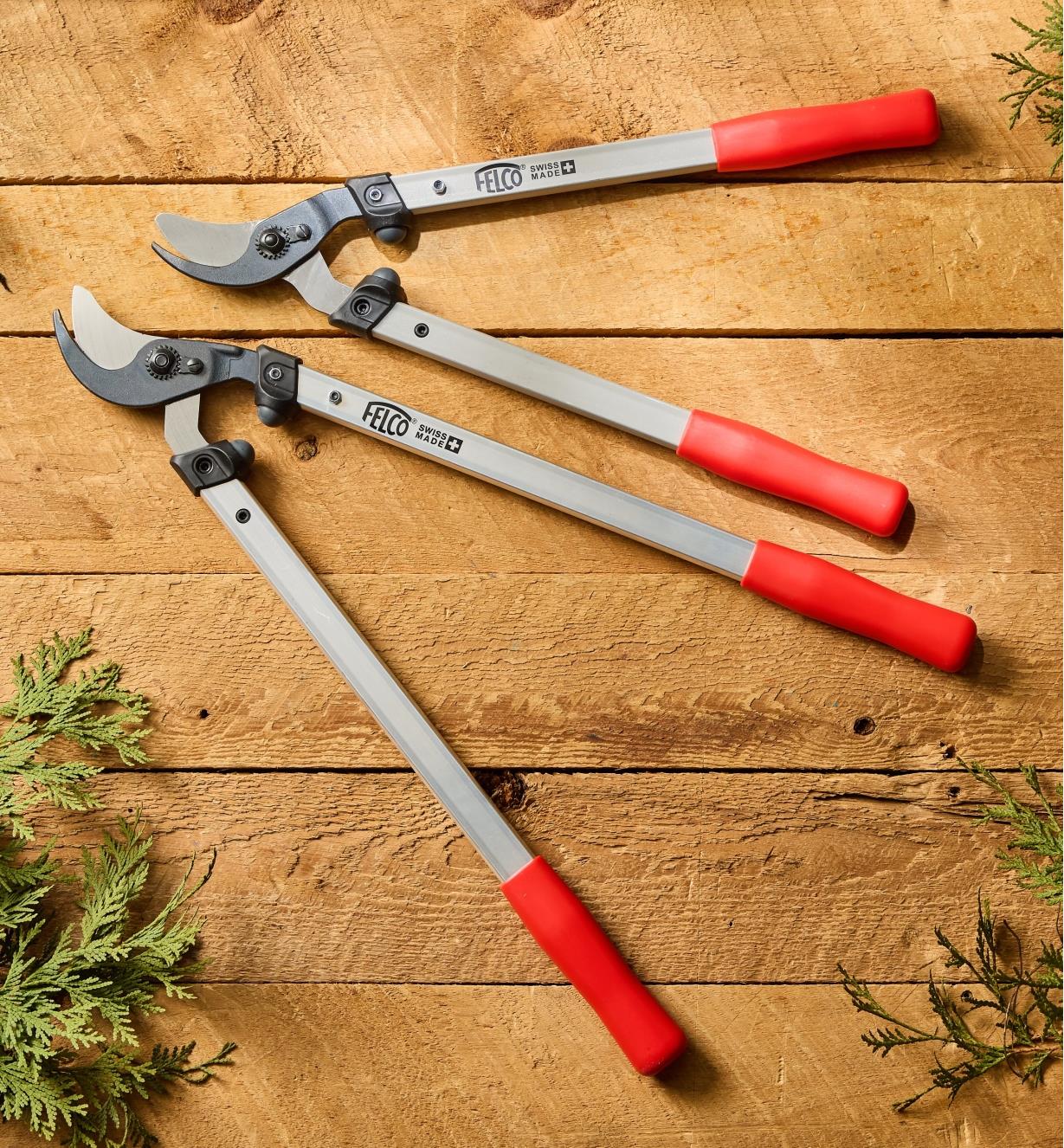
• Designed with extended handles to provide maximum leverage and reach, making it easy to slice cleanly through thick branches and woody stems that are too large for standard hand pruners but too small to require a saw.
• Wipe sap and debris from the blades after every use, and oil the pivot joint regularly to maintain smooth operation. Keep the blades sharp using a whetstone or file, and store them in a dry place to prevent rust on the cutting edge.
4. Pole Pruner
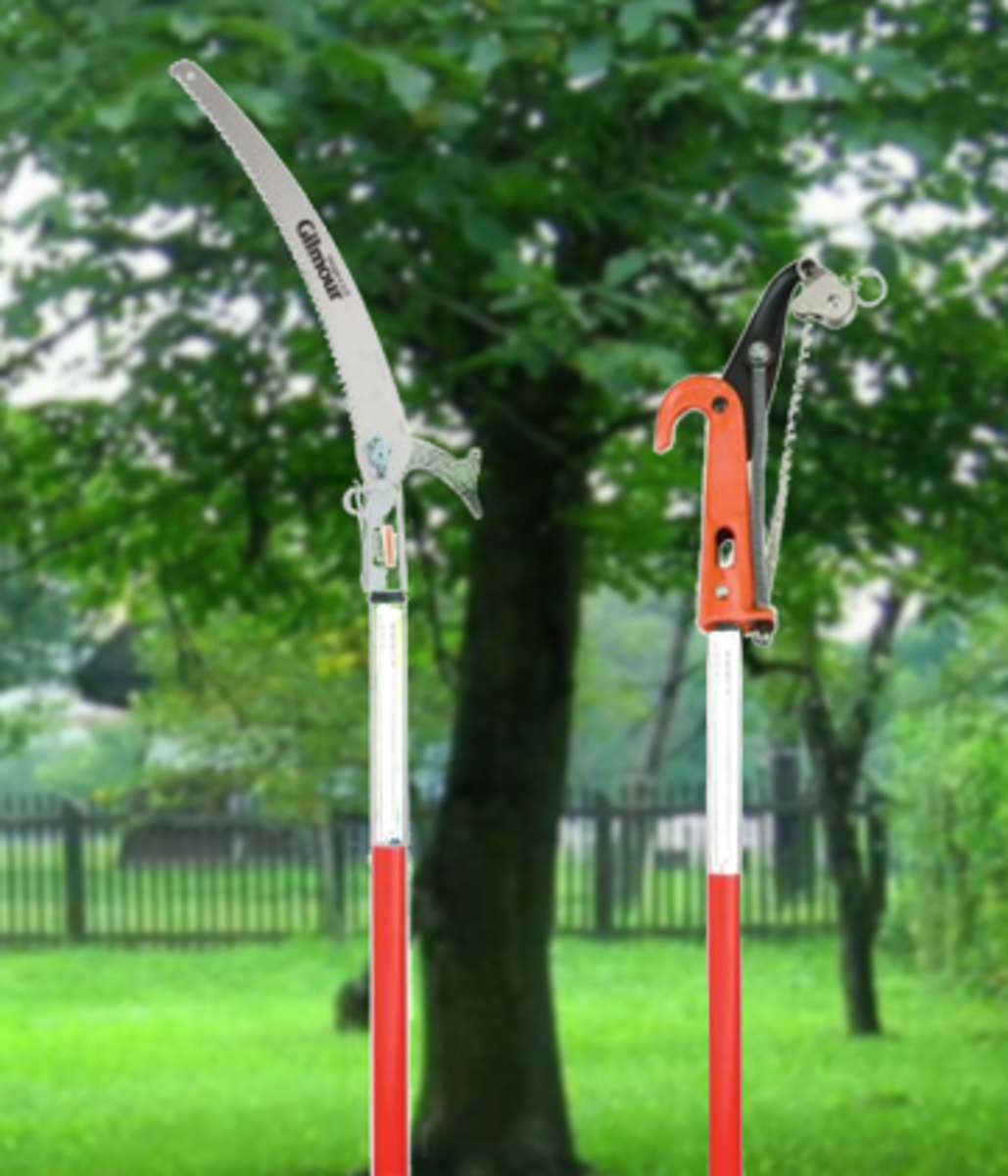
• Features a pruning blade attached to a long, often extendable pole operated by a pulley string system, allowing you to cut down out-of-reach or high-canopy branches safely from the ground without a ladder.
• Keep the internal springs and pulley mechanisms lightly lubricated and free of debris. Wipe down the blade after use, check the rope periodically for signs of fraying, and securely tighten the locking collars on telescoping shafts before extending.
5. Chainsaw
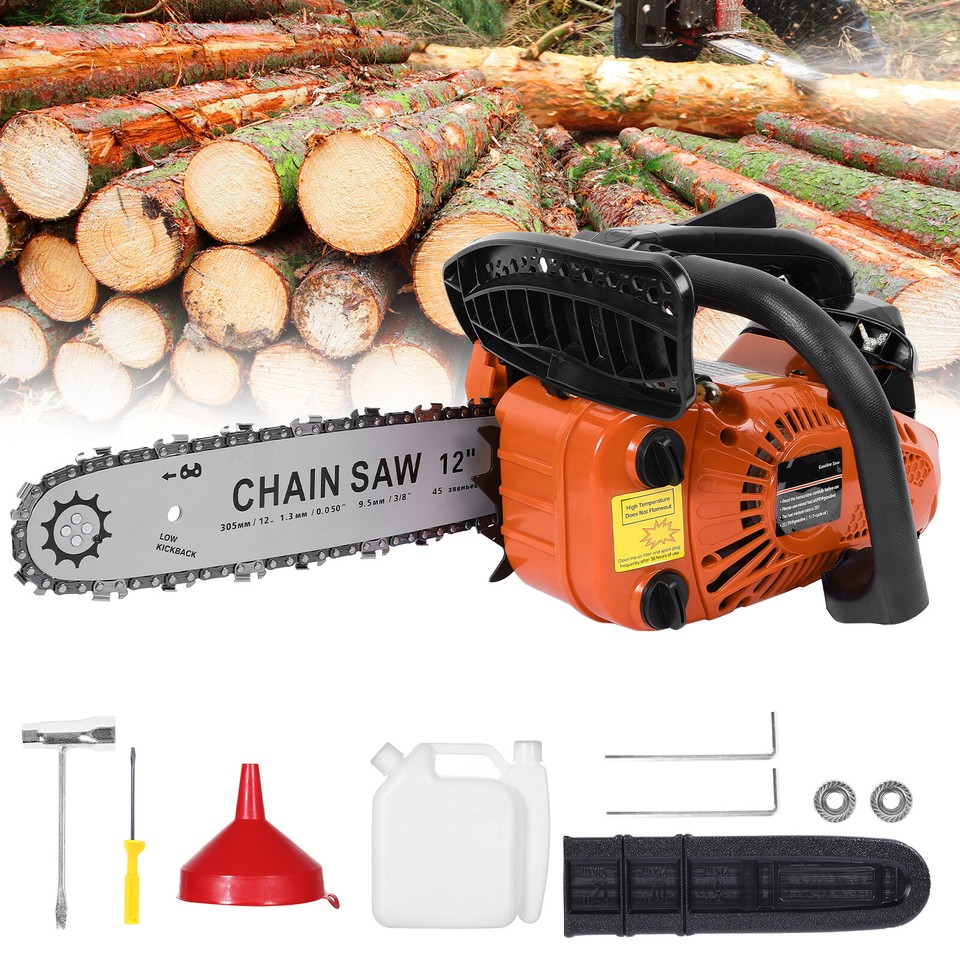
• A high-powered motorized tool fitted with a fast-rotating chain cycle along a guide bar, used for heavy-duty tasks like felling trees, bucking thick firewood logs, and clearing large storm debris.
• Regularly check and adjust the chain tension to ensure it does not slip, and keep the chain lubrication reservoir filled with bar and chain oil. Sharpen the cutting teeth frequently using a round file guide, clear out wood shavings from under the sprocket cover, and clean or replace the air filter periodically.
6. Garden Spade
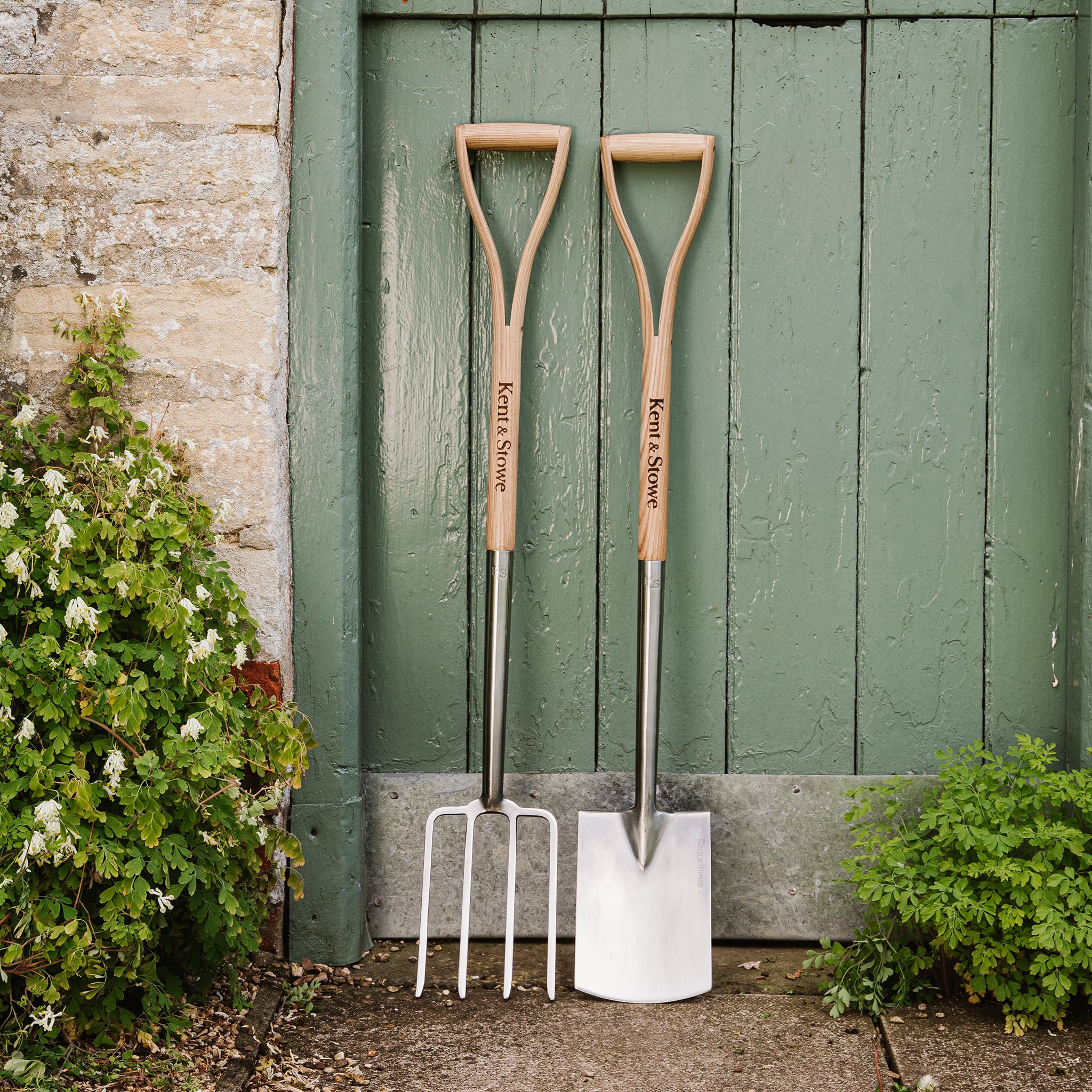
• Designed for slicing through roots, edging garden beds, digging straight-sided trenches, and moving small amounts of soil.
• Scrape off dirt after use. If the edge gets dull or ned from hitting rocks, use a metal file to restore the sharp, flat cutting edge. Store it upright or hanging in a dry place.
7. Bow Rake
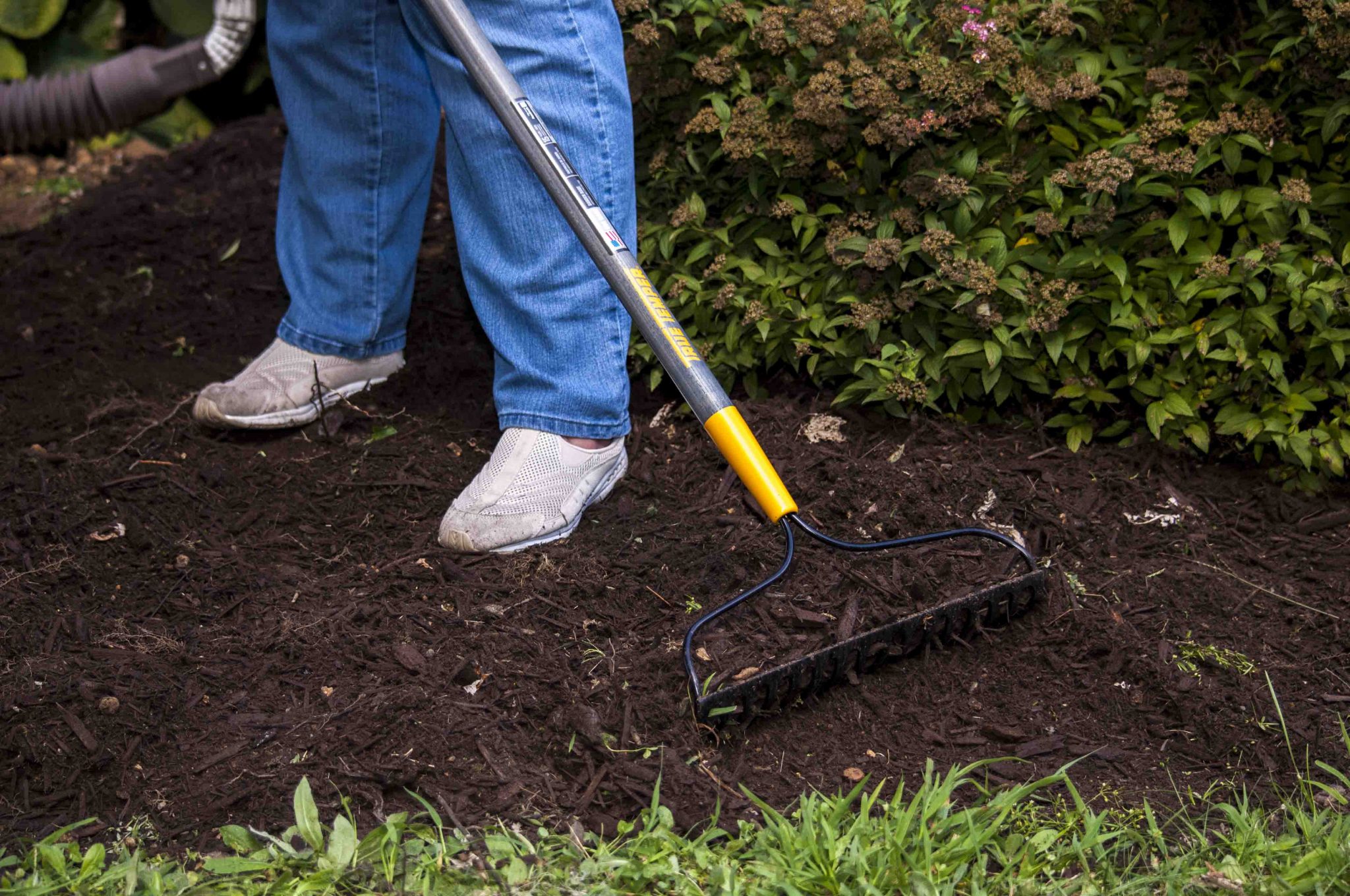
• Used for leveling soil, breaking up hard dirt clods, and clearing away stones or heavy garden debris.
• Hose it down to remove packed soil between the tines. If the tines bend, you can gently tap them back into alignment with a mallet. Regularly check the connection point between the head and the handle to ensure it hasn't wobbled loose.
8. Spring Rake (Lawn Rake)
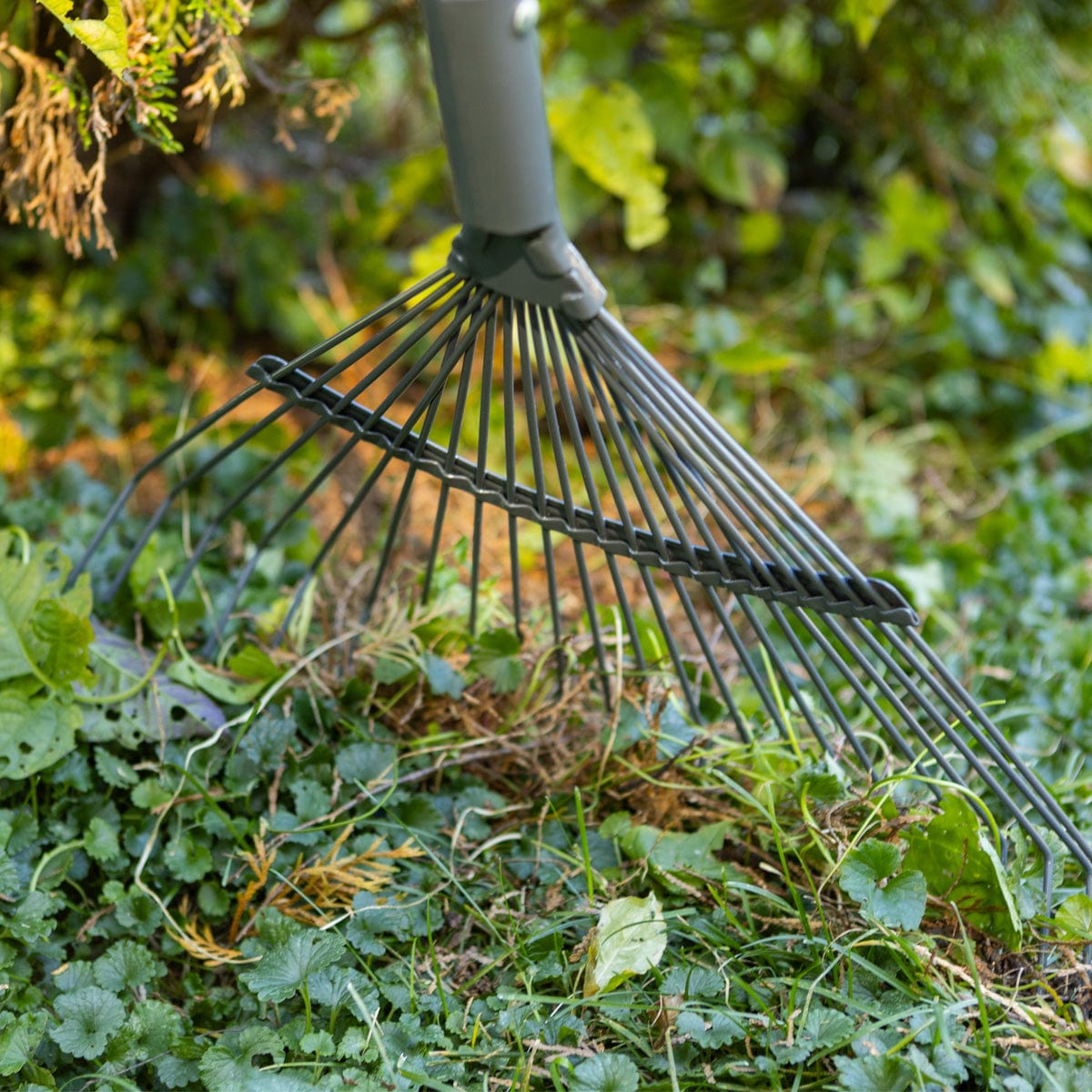
• Designed with flexible, fan-shaped metal or plastic tines to sweep up lightweight materials like leaves, grass clippings, and thatch without damaging your lawn or pulling up shallow roots.
• Clear out any tangled leaves or twigs from the tines after each use. Store it hanging up off the floor in a dry spot to prevent the tines from bending under weight or rusting over time.
9. Pruning Saw
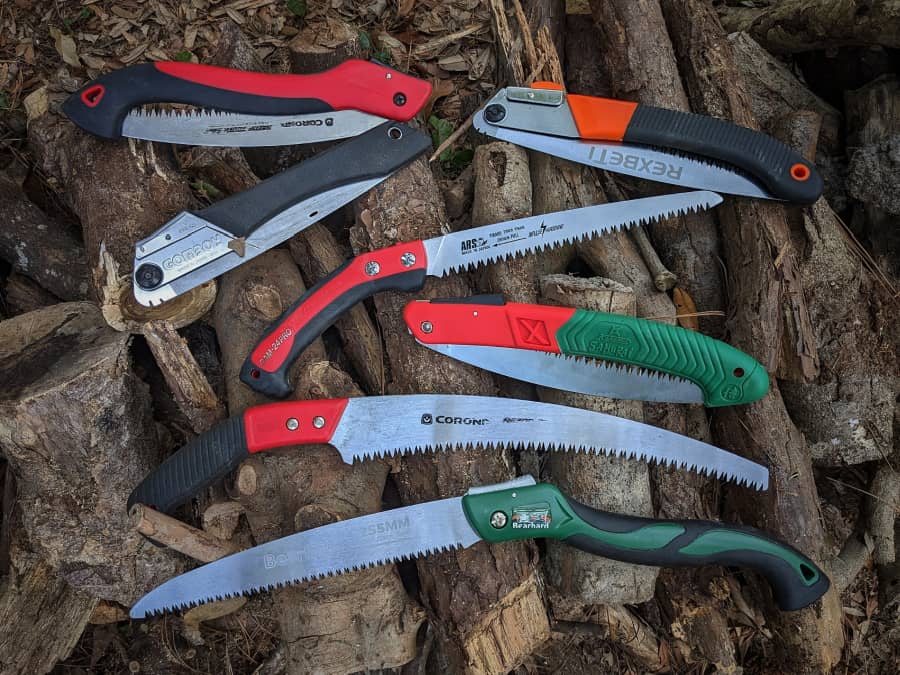
• Specially engineered with a curved blade and sharp, coarse teeth designed to cut on the pull stroke, making it ideal for cleanly sawing through thick tree branches and woody limbs that are too large for standard pruners.
• Use a stiff brush to remove sawdust and sap from between the teeth after every use, and wipe it down with a solvent like WD-40 or rubbing alcohol to keep the blade clean. Ensure the blade is completely dry before folding or sheathing it to prevent corrosion.
10. Action Hoe / Weeder
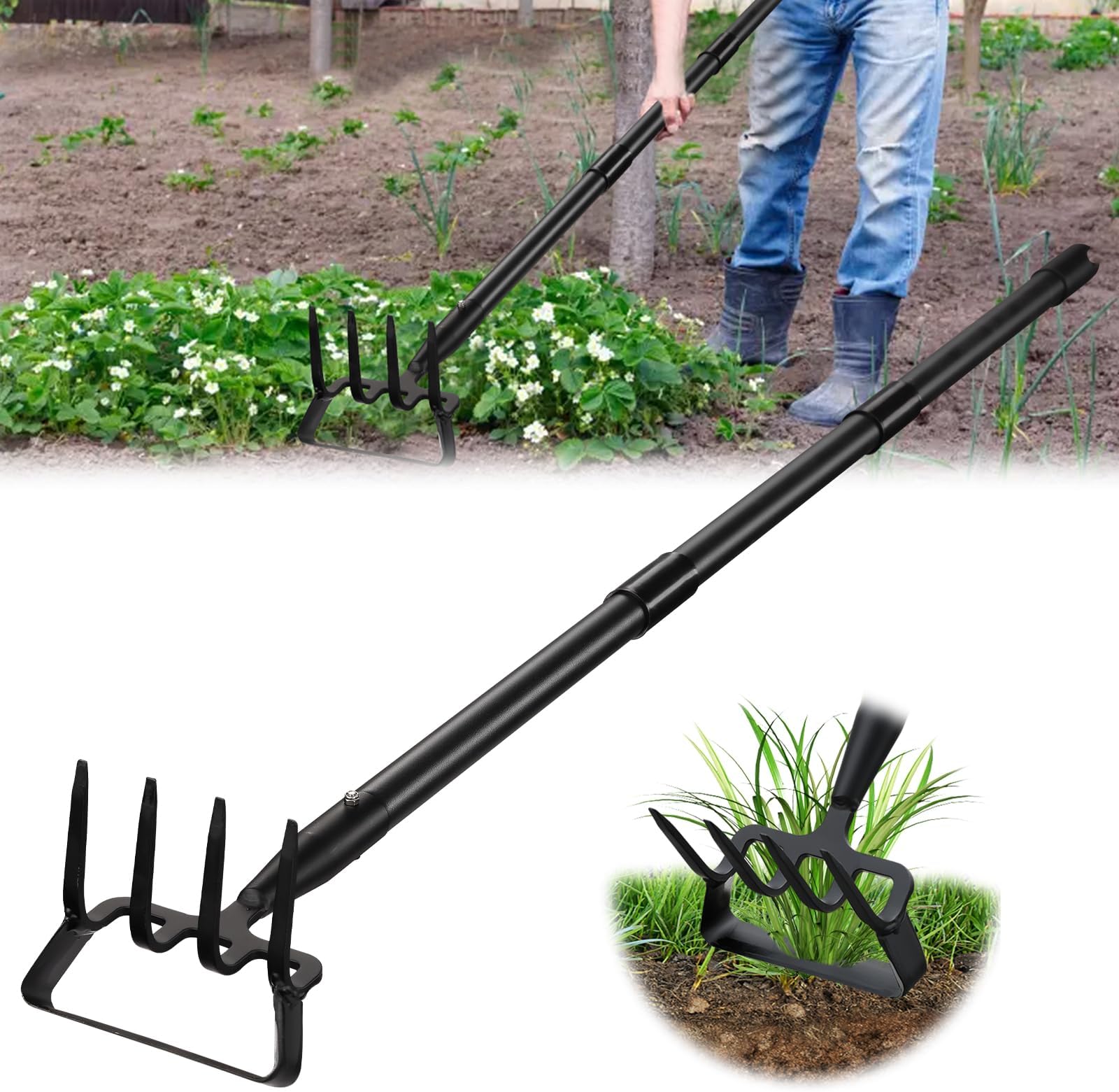
• Designed to skim just below the soil surface, cleanly slicing the roots of weeds without disrupting your topsoil.
• Keep the blade clean and dry. Because its effectiveness relies on a sharp edge slicing through the ground, you will want to run a mill file along the cutting edge once or twice a season to keep it sharp.
11. Hori Hori Knife
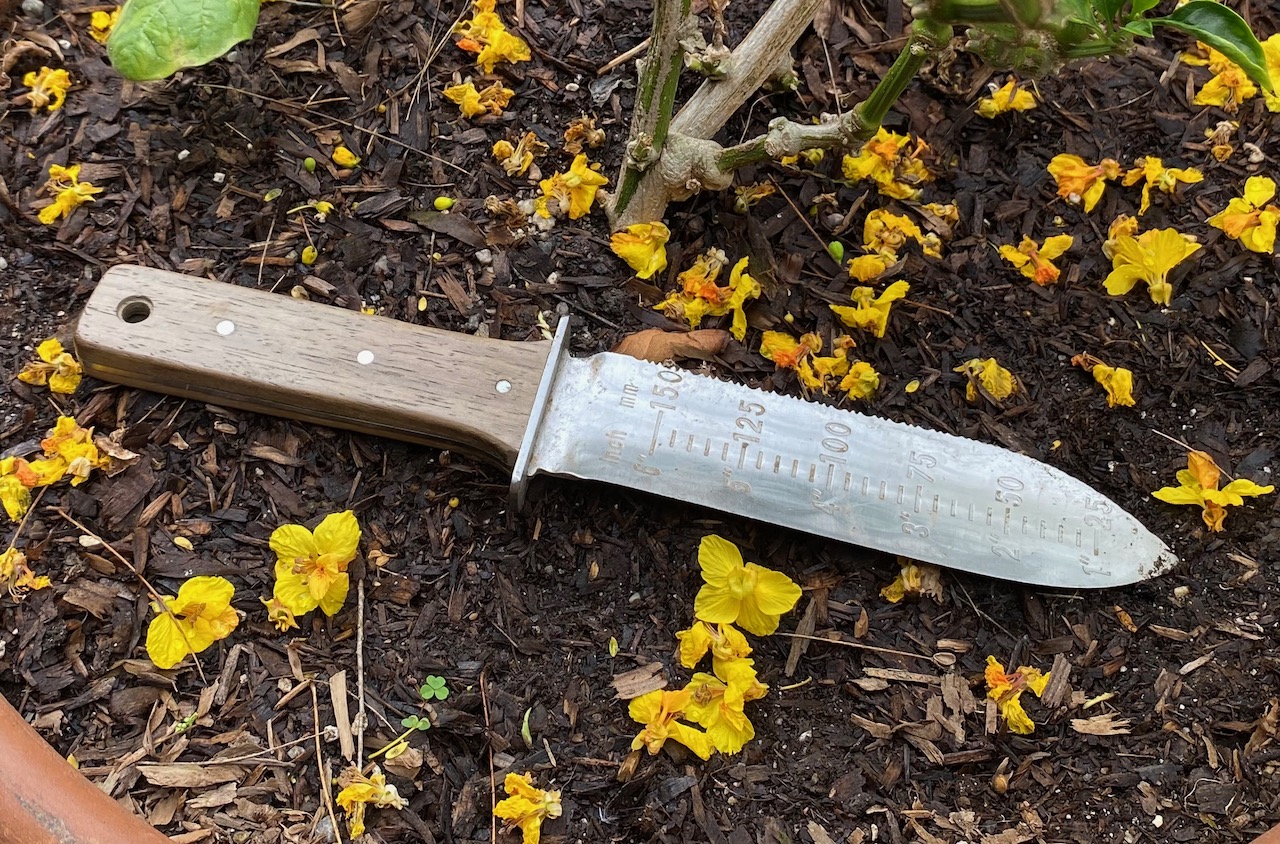
• An excellent multi-purpose tool used for weeding, planting bulbs, cutting through tough roots, dividing perennials, and opening bags of mulch or soil.
• Clean off soil and sap immediately after use. Because it spends a lot of time buried in the dirt, regular oiling of the blade is essential to prevent rust. Sharpen the straight edge with a whetstone or file, and use a specialized sharpener for the serrated side as needed.
12. Wheelbarrow
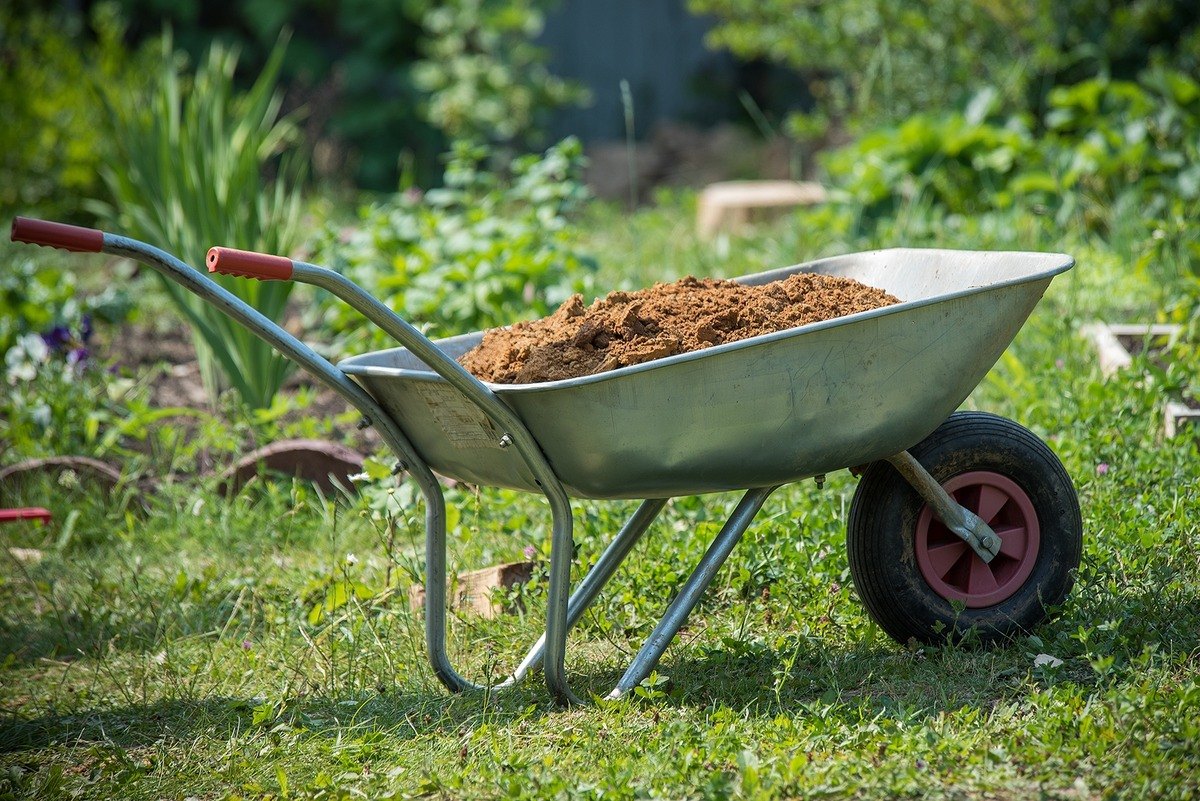
• Features a deep, open basin mounted on a wheeled frame with long handles, used to transport heavy, bulky materials like soil, mulch, stones, plants, and harvested produce easily across your yard.
• Wash out accumulated dirt, compost, or wet materials after each use to prevent corrosion and rusted holes in the basin. Periodically check the tire pressure, lubricate the wheel axle, and store it tilted forward or upside down in a sheltered area so rainwater cannot pool inside.
13. Empty Trash Can (Yard Waste Bin)
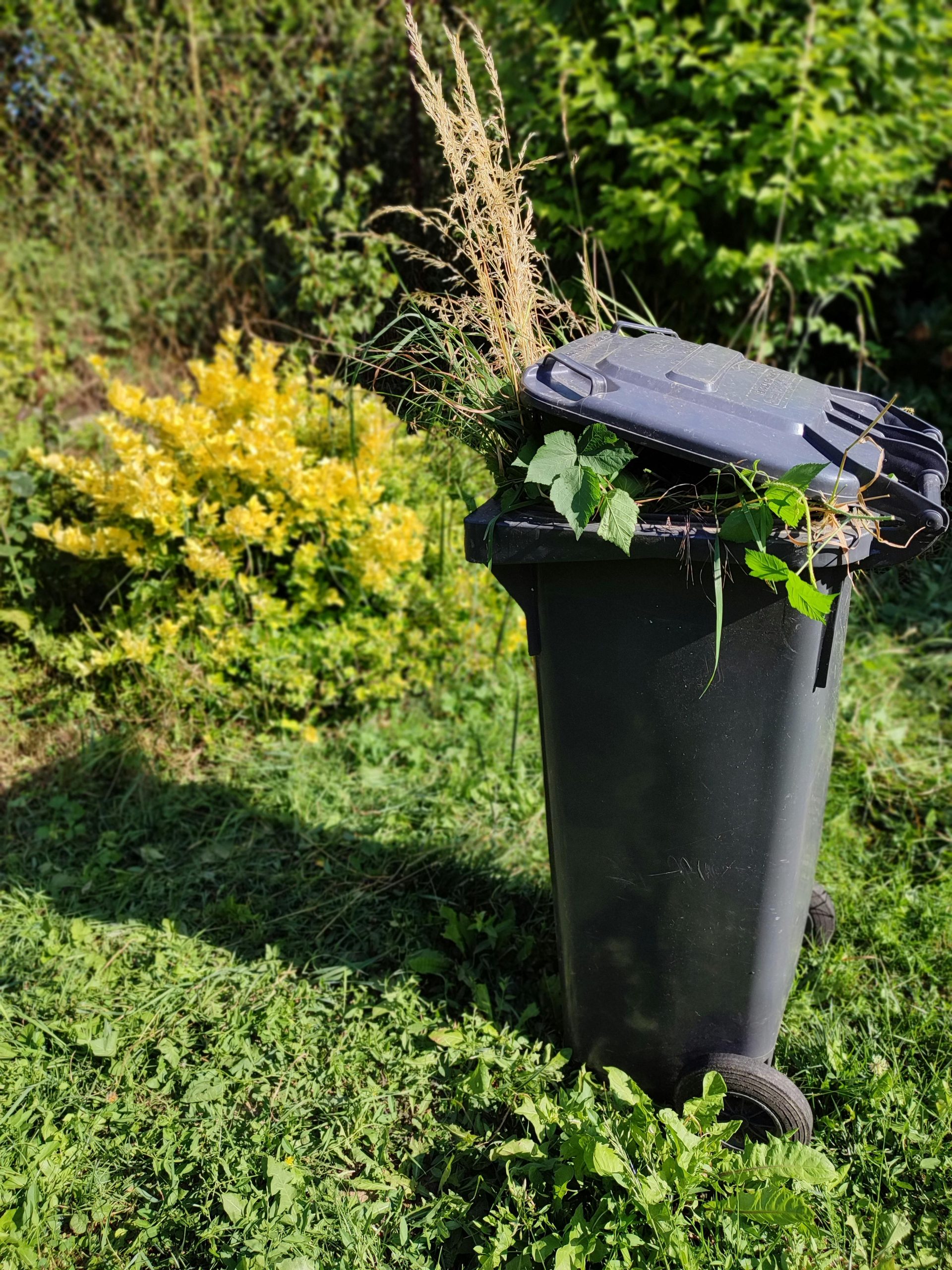
• Acts as a central, mobile collection point for accumulating yard debris (pulled weeds, clipped branches, swept leaves, and spent soil) as you move throughout the garden.
• Hose the interior down thoroughly after emptying out damp green waste to prevent mold growth, rot, and stubborn odors. Drill a few small drainage holes in the bottom if it will be stored outside uncovered, ensuring rainwater can drain out freely rather than pooling.
Hand trowelpruning shearsgarden spadeshovelbow rakelawn rakewheelbarrowgarden hoselopperswatering canhori hori