Bamboo, Nandina, Grasses - The Monocot Story

Monocot plants are a big and useful plant group, and some of the best-known ones in gardens are bamboo, ornamental grasses, and nandina. They bring a lot of texture and movement to a landscape, and they can be great for screening, borders, and structure. The trick is keeping them in shape without fighting their natural growth habit.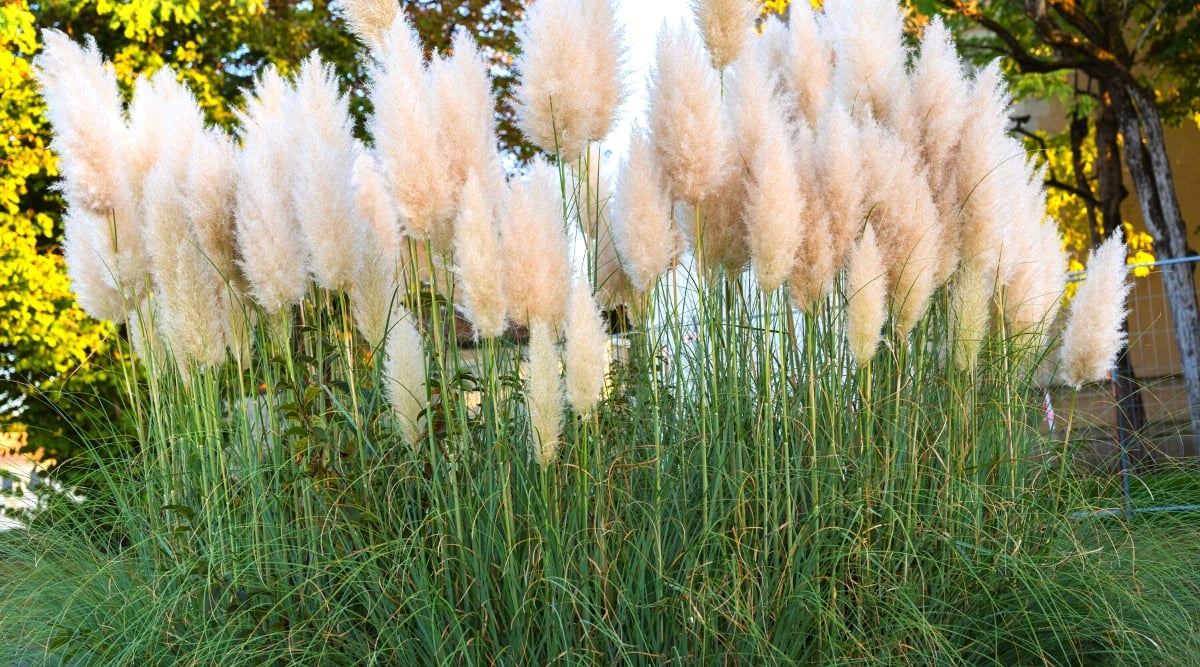
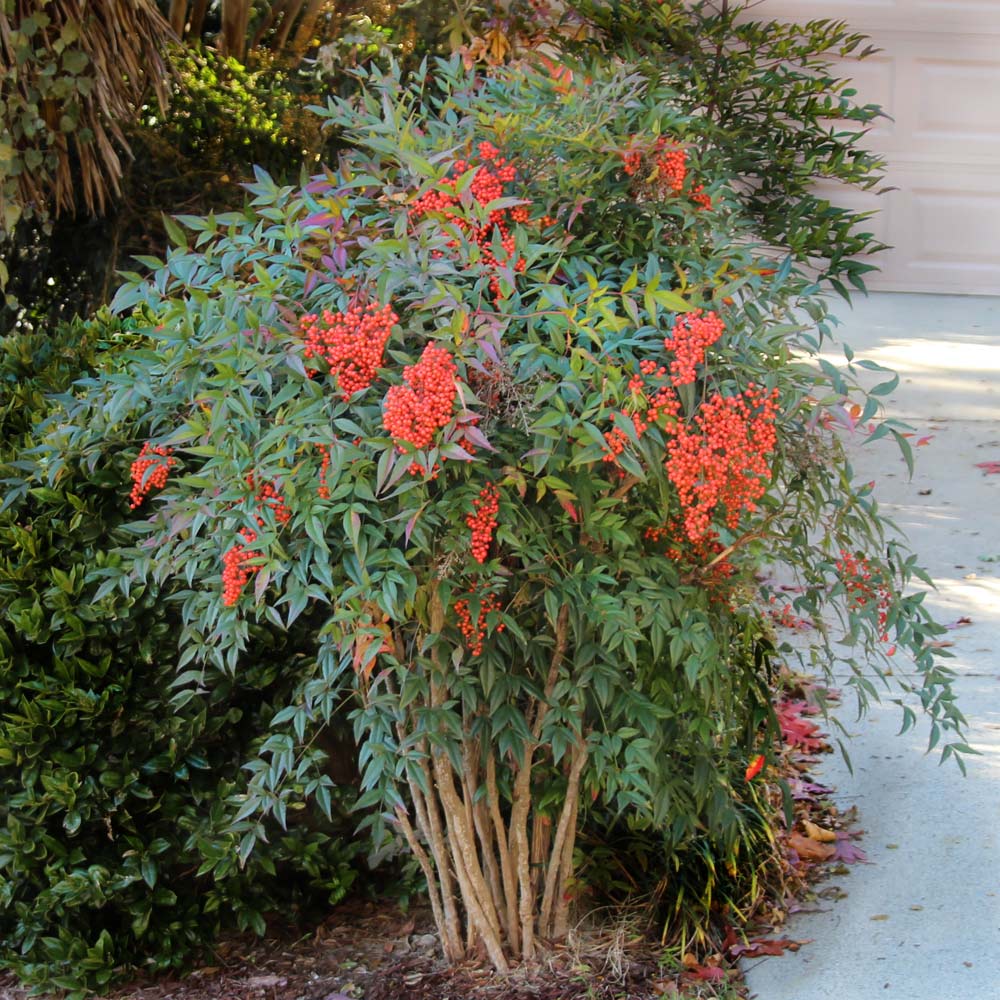
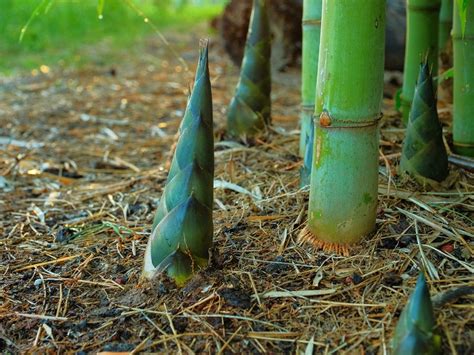
When it comes to controlling height and width, pruning works best when it matches the plant. Bamboo usually does better with thinning than with topping. Taking out old canes at the base and removing crowded stems keeps it looking cleaner and more open. If it’s spreading too far, root barriers or digging out stray rhizomes can help keep it in bounds. Ornamental grasses are usually cut back hard in late winter or early spring, before new growth starts. That way, they come back fresh and tidy. Nandina is best handled with selective pruning too — shorten older stems and thin out the oldest canes so the plant stays full without turning into a boxy hedge.
For rejuvenation, each one has its own approach. Grasses can usually be cut all the way back before the growing season and will bounce right back. Nandina can be refreshed by removing the oldest stems a few at a time, or cut back more heavily if it’s gotten sparse and woody. Bamboo can be renewed by cutting out weak, damaged, or old canes at ground level so the newer shoots have room to thrive. With a little regular care, these plants can stay healthy, attractive, and easy to live with.
one-leaf seedmonocotbamboonandinagrasses