Rose Care in the Rose City

Portland, famously known as the "City of Roses," boasts an ideal climate for growing these beautiful, classic flowers.
However, the wet Pacific Northwest winters and dry, warm summers require a specific approach to rose care.
This guide will walk you through everything from watering and pruning to pest management and selecting the best varieties for your garden.
Preferred Ways to Water Roses
In Portland, how you water is just as important as how much you water. Because the region is prone to fungal diseases like black spot during the damp spring and early summer, keeping the foliage dry is paramount.
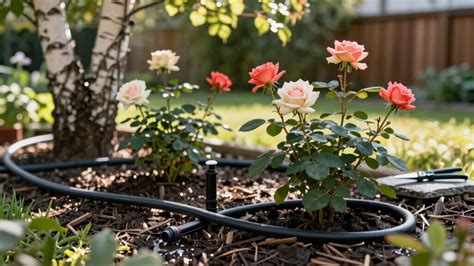
Drip Irrigation & Soaker Hoses: These are the best methods. They deliver water directly to the root zone without splashing soil or wetting the leaves.
Deep, Infrequent Watering: Roses prefer a deep soaking (about 1 to 2 inches of water) once or twice a week rather than a shallow daily sprinkle. This encourages deep root systems, which help the plant survive Portland's dry late-summer months.
Morning Watering: If you must water overhead, do it early in the morning so the sun can quickly dry the foliage.
Pruning Techniques & Timing
Pruning encourages new growth, improves air circulation (crucial in the PNW), and shapes the crown. Timing your pruning is key to a healthy rose bush.
1. Late Winter / Early Spring (The Major Pruning)
In Portland, the traditional time for the main structural pruning is mid-to-late February (often timed around Presidents' Day) when the worst of the winter freezes have passed but before the buds have fully broken.
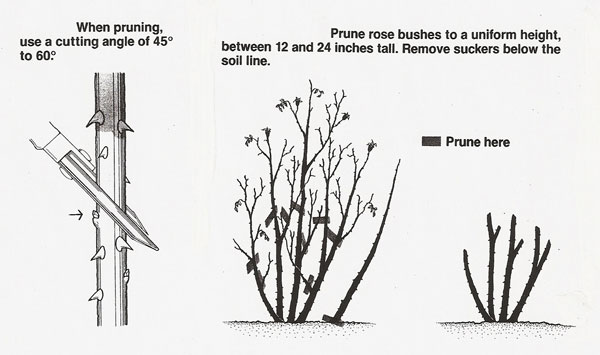
The Technique: Remove all dead, diseased, or damaged canes. Cut out crossing canes to open up the center of the bush, resembling a "vase" shape to maximize airflow.
The Cut: Make a clean cut at a 45-degree angle, about 1/4 inch above an outward-facing bud. Seal large cuts if cane borers are an issue in your yard.
2. Summer (Deadheading)
Throughout the blooming season (June to September), consistently remove spent blooms (deadheading). Cut down to the first five-leaflet leaf. This redirects the plant's energy from seed (hip) production into generating new flowers.
3. Late Fall (Wind-Break Prevention)
In November, as winter storms approach the Willamette Valley, perform a light pruning. Reduce the height of particularly tall canes by about one-third to prevent them from snapping or rocking in heavy winds, which can damage the root system.
Common Pests
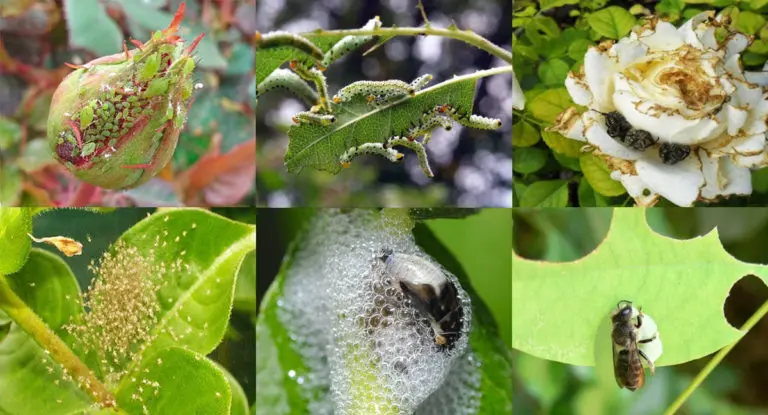
Even healthy roses can attract unwanted visitors. In Portland, the most frequent pests are:
Aphids: Small, soft-bodied insects usually found clustering on new growth and flower buds in spring.
Spider Mites: Tiny arachnids that appear during the hot, dry late-summer weeks, causing leaves to look stippled or yellowed.
Rose Slugs (Sawfly larvae): Small green worm-like larvae that skeletonize leaves, usually in late spring.
Pest Control Methods
1. Organic Pest Control
Organic methods are gentle on the environment and help protect local pollinators and beneficial insects.
Water Blasts: A strong jet of water from the hose is highly effective at knocking aphids and spider mites off the plant. Make sure to get under the leaves with the blast.
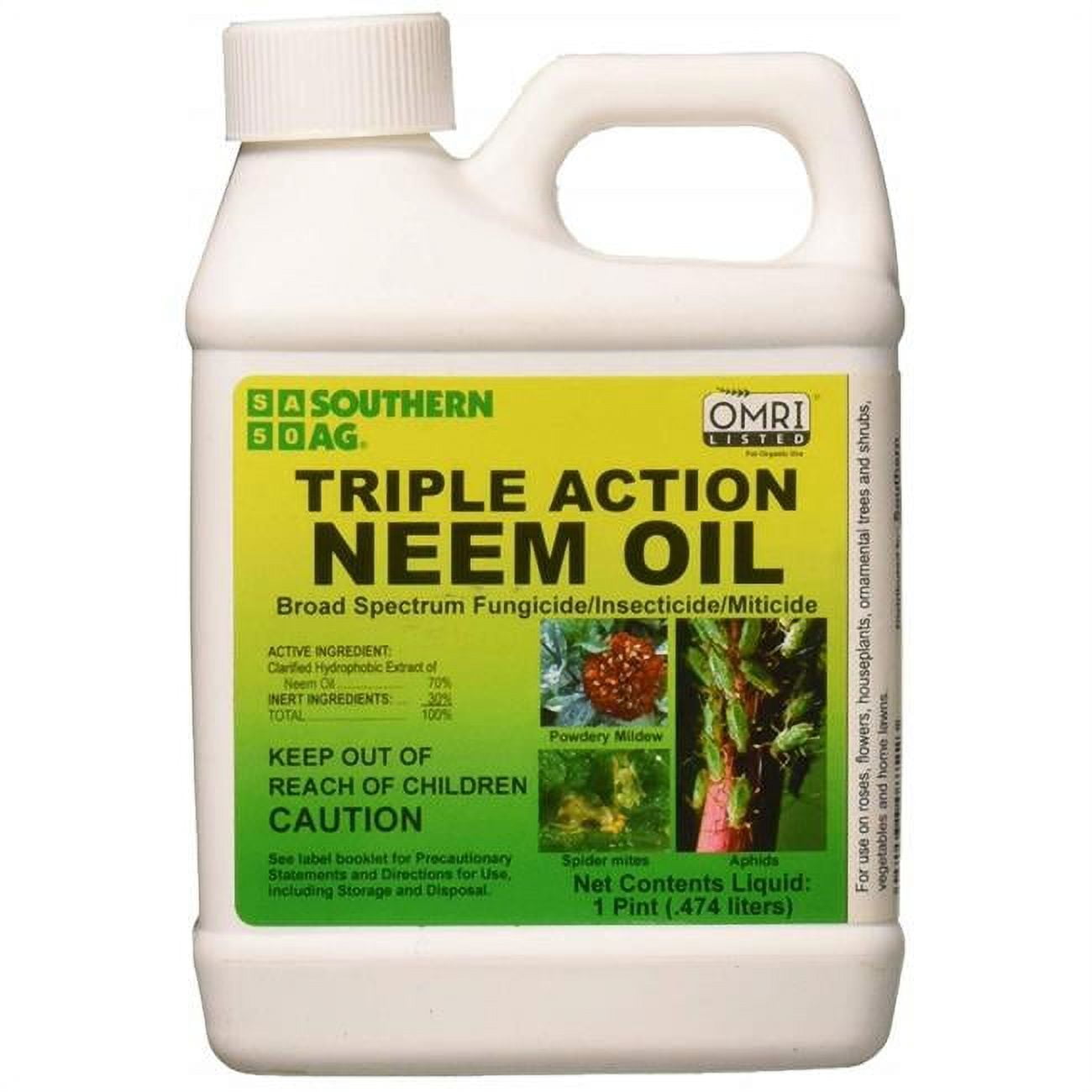
Neem Oil & Insecticidal Soaps: Excellent for treating aphids and rose slugs. Apply in the early morning or late evening to prevent leaf burn from the sun. My favorite product to use in the garden, it takes care of fungi as well.
Beneficial Insects: Releasing ladybugs or lacewings into your garden can naturally keep aphid populations under control.
Hand-picking: For larger pests or light infestations, simply removing them by hand is the safest method.
2. Non-Organic Pest Control
When infestations are severe and threaten the life of the plant, chemical interventions can be used. (Note: Avoid applying these when bees are foraging).
Systemic Insecticides: Applied to the soil, these are absorbed by the plant roots and make the entire plant toxic to sap-sucking insects like aphids. Use with extreme caution due to impacts on pollinators.
Contact Insecticides: Sprays containing bifenthrin or cyfluthrin provide immediate knockdown of a wide variety of pests, including stubborn rose slugs and beetles.
Horticultural Oils: Highly refined synthetic oils can be sprayed during dormancy to smother overwintering pest eggs.
Fertilizers & Timing
Roses are heavy feeders, and the frequent spring rains in Portland can wash nutrients out of the soil fast.
1. Types of Fertilizers:
Organic: Alfalfa meal, fish emulsion, bone meal, and composted manure. These improve soil health over time and release nutrients slowly. The smell may attract rodents and your pets.
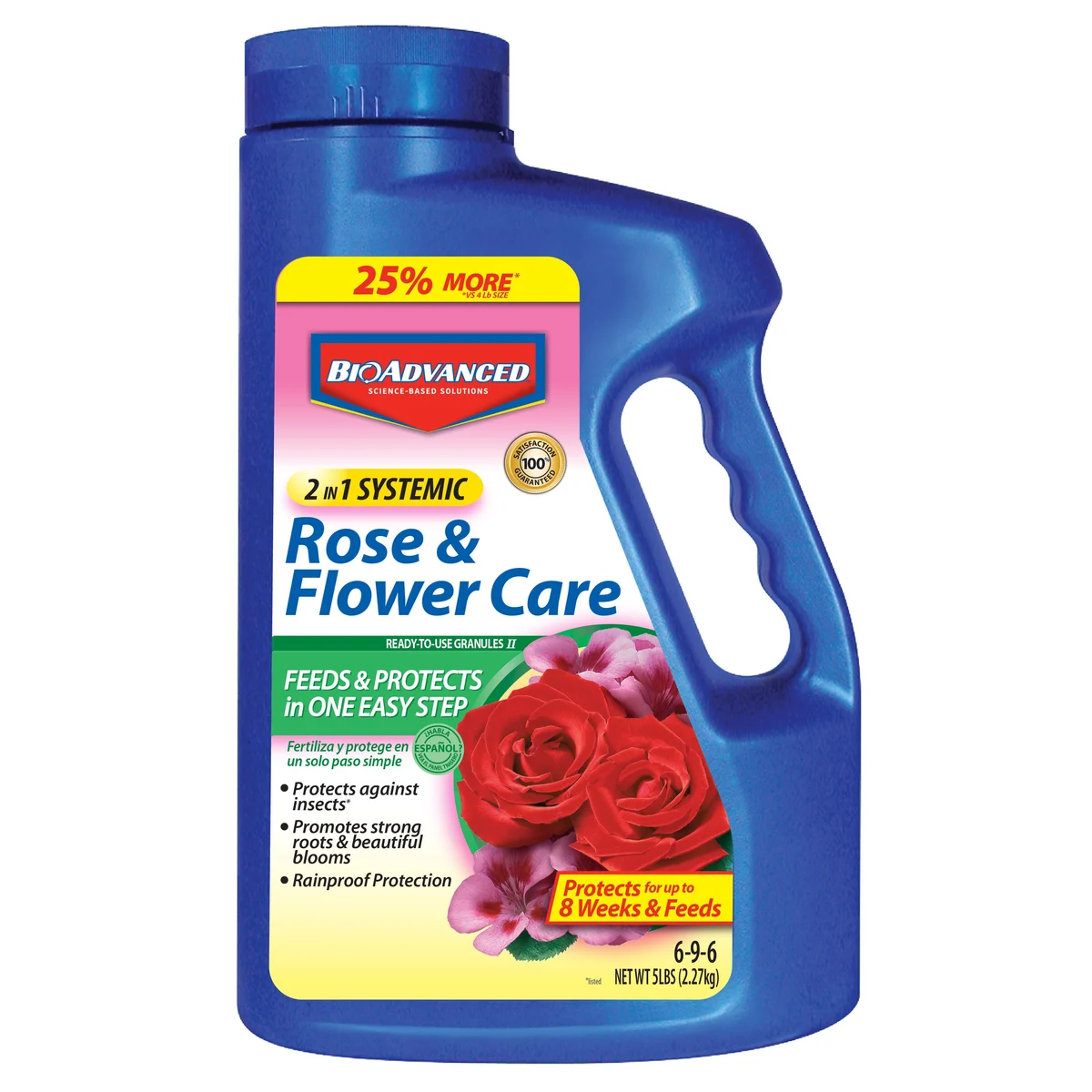
Non-Organic (Synthetic): Granular slow-release formulas (like 10-10-10) or liquid chemical fertilizers. These provide a quick, concentrated boost of nutrients.
2. Timing the Feed
Early Spring (April): Apply your first dose of fertilizer right after you complete your major pruning and the plant begins to leaf out. Adding a scoop of Epsom salts (magnesium sulfate) can encourage new cane growth.
Active Growing Season (May - August): Feed the roses every 4 to 6 weeks. If using liquid fertilizer, you may need to apply every 2 to 3 weeks.
Late Summer (Late August / Early September): Stop fertilizing. Providing nitrogen too late in the year encourages tender new growth that will easily be killed by the first frost. Allow the plant to harden off for winter.

10 Suitable Rose Varieties for the Region
Because the Pacific Northwest is prone to fungal diseases like Black Spot and Powdery Mildew, selecting disease-resistant varieties is half the battle. Here are 10 exceptional roses that thrive in the Portland metro area:
1. Sally Holmes (Climber/Shrub): Produces massive clusters of single, creamy-white blooms. Extremely disease resistant.
2. Westerland (Climber): A vigorous grower with highly fragrant, apricot-orange double blooms.
3. Julia Child (Floribunda): Butter-yellow blooms with a strong licorice scent. Excellent resistance to black spot.
4. Iceberg (Floribunda): A classic, non-stop bloomer with pure white flowers and tough, disease-resistant foliage.
5. Just Joey (Hybrid Tea): Features large, ruffled apricot blooms with a rich, fruity fragrance.
6. Eden (Climbing): Breathtakingly romantic pink and cream cabbage-style blooms. Handles the PNW rain beautifully.
7. Mister Lincoln (Hybrid Tea): The quintessential dark red rose with an overpowering, classic damask fragrance.
8. New Dawn (Climber): A tough, reliable climber with soft, silvery-pink flowers and glossy foliage.
9. Peace (Hybrid Tea): Famous for its massive yellow blooms edged in pink. Very hardy.
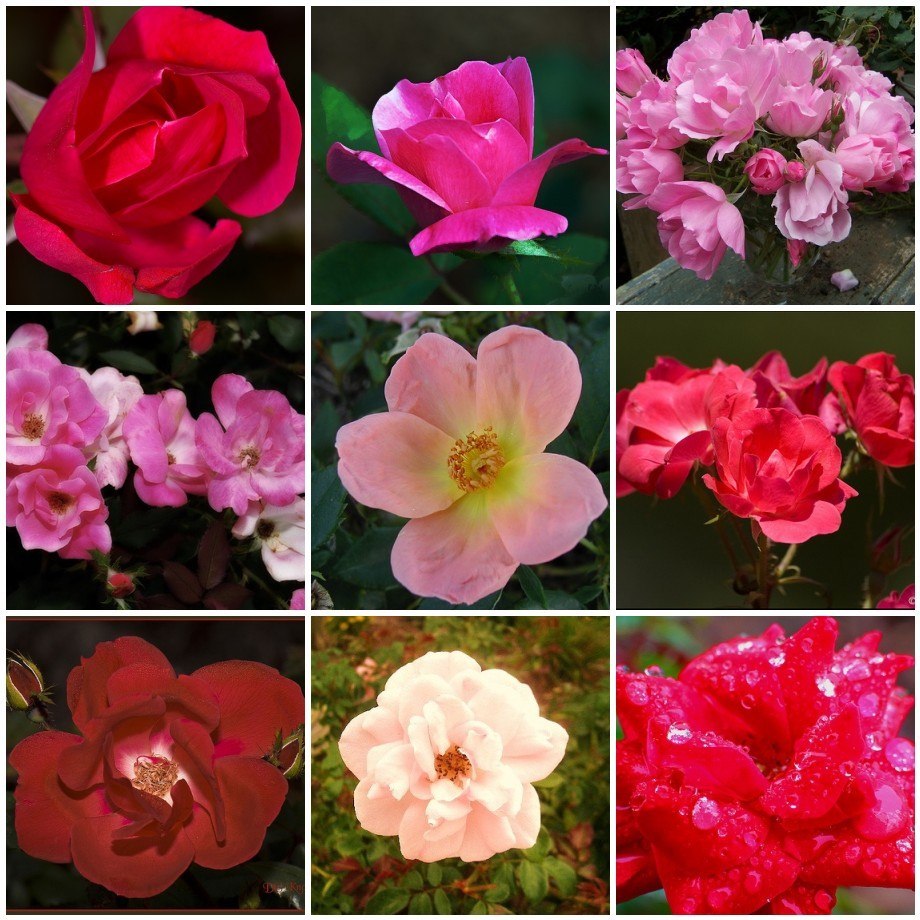
10. Knock Out Series (Shrub): Available in multiple colors, these are incredibly low-maintenance and virtually immune to local diseases.
rosescity of rosesaphidsblack spot fungusblossom rot