Cultivating Balance: Integrated Pest Management in PNW Landscapes
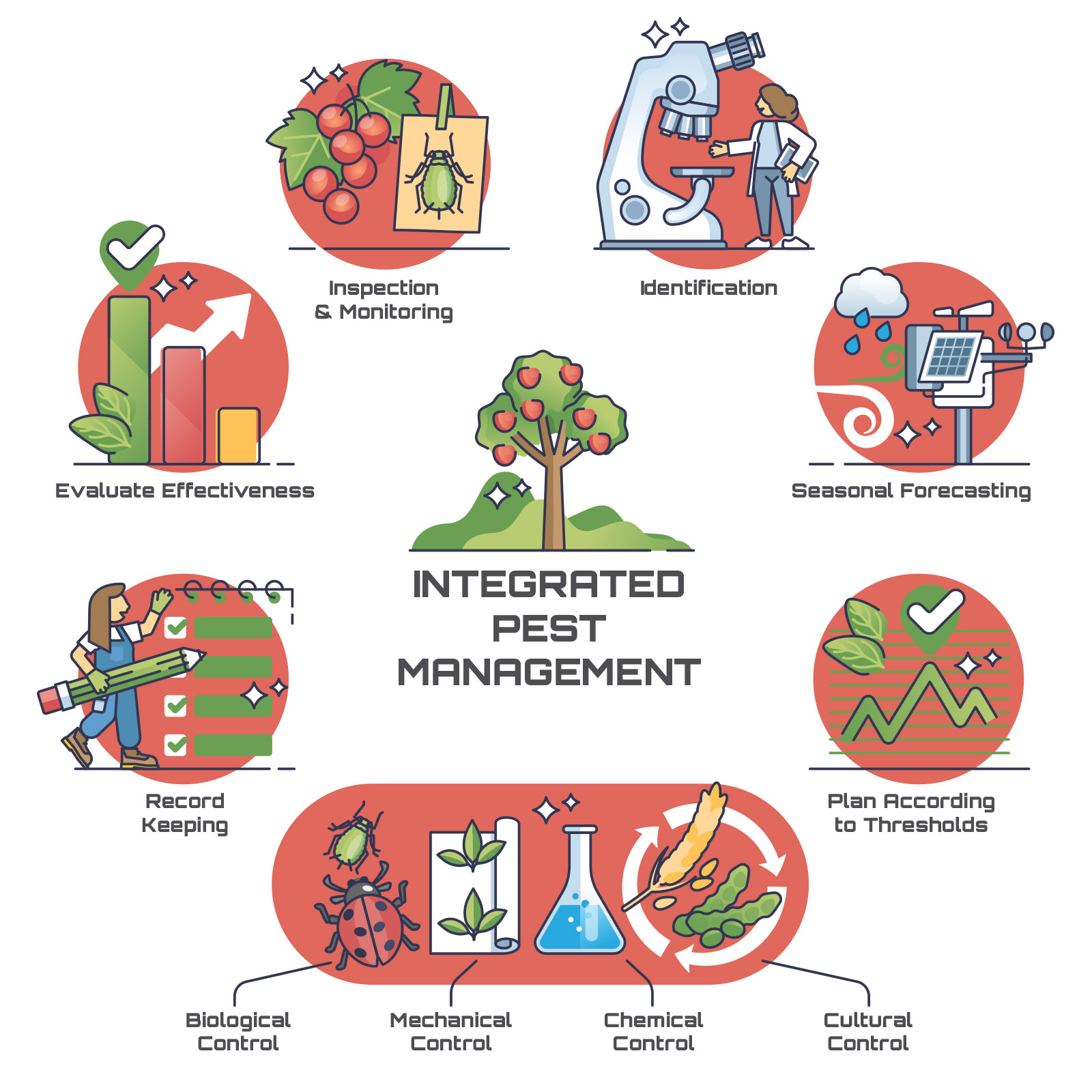
Maintaining a lush residential landscape in the Pacific Northwest comes with unique environmental privileges and challenges. With our distinct wet winters and dry summers, the region hosts a variety of insects, weeds, and diseases. However, keeping these pests in check doesn't require blanketing your yard in harsh chemicals. Instead, many PNW gardeners and landscape professionals are turning to Integrated Pest Management (IPM).
This might be a bit of dry read but way worth the time spent.
What is Integrated Pest Management?
Integrated Pest Management is an environmentally sensitive and common-sense approach to controlling pests. The primary goal of an IPM program is not the complete eradication of pests, but rather keeping their populations at manageable levels to prevent unacceptable damage to plants and property. By relying on a combination of strategies, IPM minimizes adverse effects on human health, pets, non-target organisms, and the broader ecosystem. In fact, implementing IPM can reduce pesticide use in residential landscapes by 50% to 90% without sacrificing plant health or appearance.
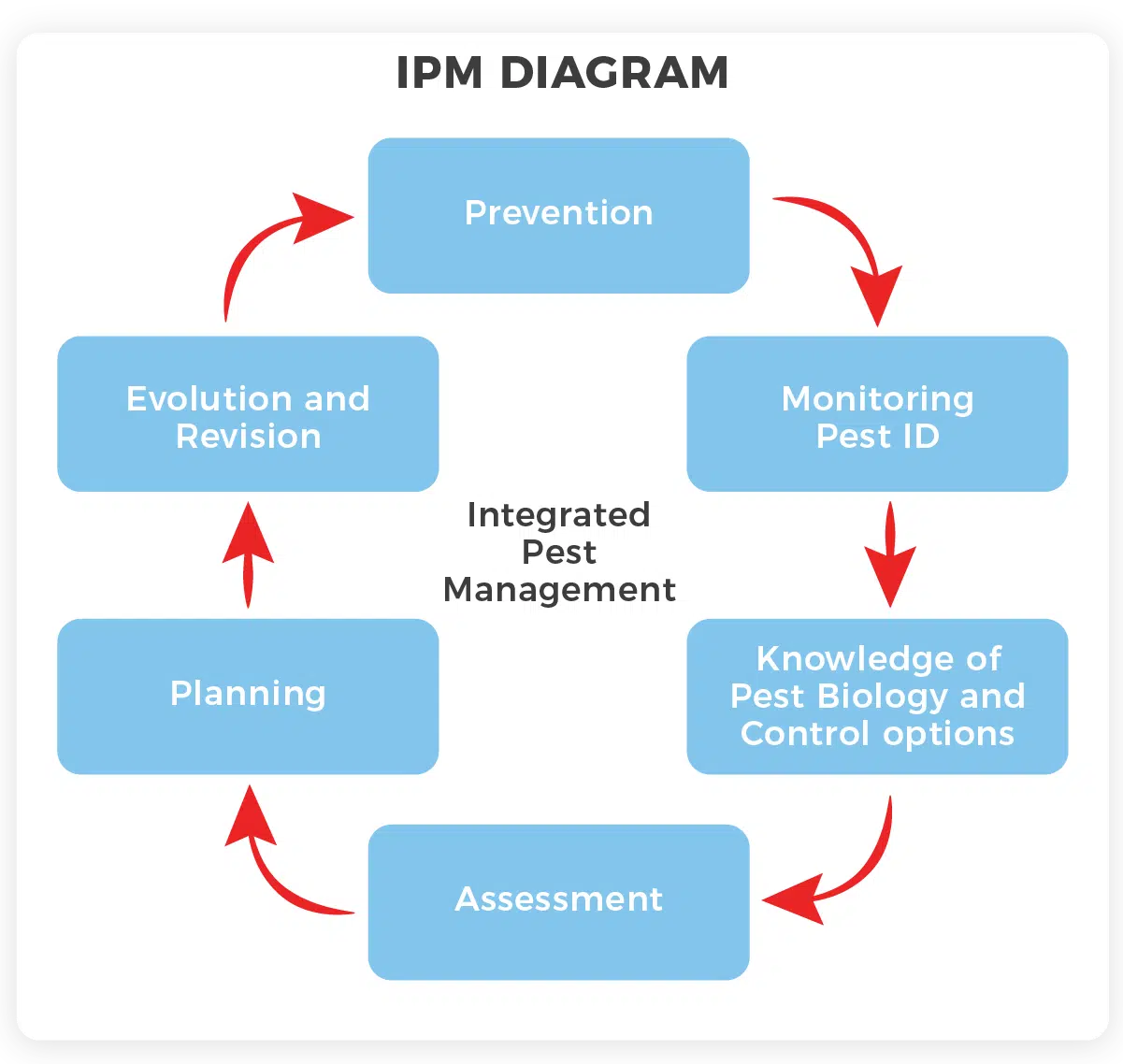
The Core Steps of an IPM Program
A successful IPM program is an ongoing cycle of observation, decision-making, and action. To implement IPM in your home landscape, follow these foundational steps:
Inspect and Monitor: Frequent observation is your first line of defense. Regularly scout your yard for signs of pests, such as chewed leaves, dead insects, or rodent droppings, as well as the environmental conditions (like excess moisture) that pests need to survive.
Accurately Identify the Pest: Before taking action, you must properly diagnose the problem. Identify the specific pest, understand its life cycle, learn what it eats, and determine where it prefers to live.
Determine Action Thresholds: Decide if you actually have a problem. Many insects are merely a nuisance, and healthy plants can tolerate a certain amount of damage. Action should only be taken when pest populations exceed a specific threshold that threatens the health of the landscape.
Evaluate and Select Tactics: If a threshold is crossed, choose the least hazardous method of control that will effectively manage the pest without harming the surrounding environment.
Monitor and Evaluate: After implementing a control method, continue to track the pests to determine if your strategy was successful and adjust as needed.
The IPM Toolbox: Strategies for the PNW
When intervention is necessary, IPM utilizes a tiered approach to pest control, starting with the most preventative methods.
1. Cultural Controls
Cultural control involves changing the landscape environment to improve plant health and make it less hospitable to pests.
Right Plant, Right Place: Select plant varieties that are naturally adapted to the PNW climate and resistant to common regional diseases.
Proper Maintenance: Adjust irrigation schedules, ensure adequate sunlight, and manage soil health with appropriate nutrients and mulch. Healthy, stress-free plants are naturally better equipped to fend off pests.
2. Mechanical and Physical Controls
This involves using physical barriers or direct manual action to remove or exclude pests.
Barriers and Traps: Use netting to protect crops from birds, install wire mesh to deter rodents, or set simple traps for insects.
Manual Removal: One of the most effective mechanical controls in the PNW is hand-picking slugs and snails early in the season or physically pulling weeds before they go to seed.
3. Biological Controls
Biological control harnesses the power of natural predators, parasites, and pathogens to keep pest populations in check.
Encourage Beneficials: Foster a habitat that attracts natural enemies, such as ladybugs, lacewings, and predatory wasps, which feed on common garden pests like aphids.
4. Chemical Controls
In an IPM program, chemical pesticides are considered a last resort, used only when other cultural, mechanical, and biological options have failed.
Targeted Application: If chemicals must be used, select the least hazardous, most targeted product available, rather than broad-spectrum sprays. Always follow label instructions carefully to minimize environmental impact.
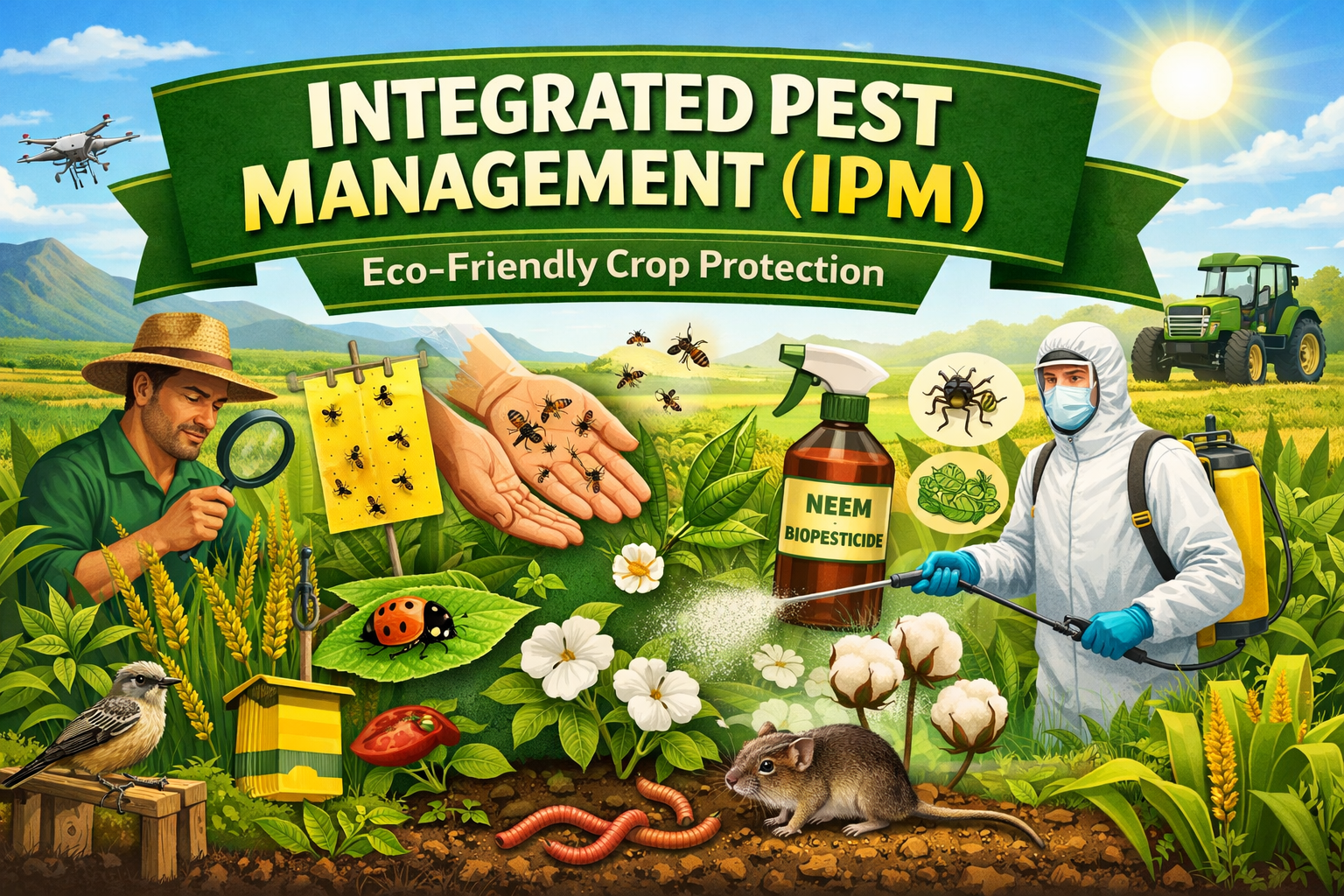
By shifting the focus from complete eradication to holistic management, homeowners can cultivate beautiful, resilient landscapes that work in harmony with their region's vibrant natural ecosystem.
Integrated pest managementipmbalanced gardening