Growing Tomatoes 101 'cuz P. asked - A Comprehensive Guide for Zone 8b
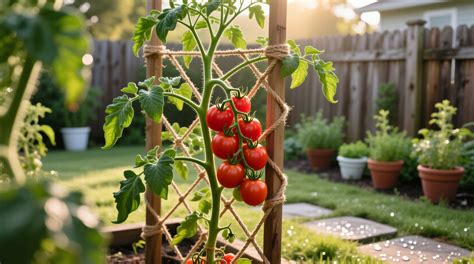
Growing tomatoes in the Pacific Northwest (Zone 8b in our case) is a rewarding endeavor, though it comes with unique regional challenges. Our climate is characterized by mild, wet springs, relatively warm but dry summers, and cooler nighttime temperatures. Because the active growing season can be shorter than in southern climates, maximizing heat and light early in the season is critical. By choosing the right varieties and practicing diligent care, you can ensure a bountiful harvest before the autumn rains arrive.
Top 5 Varieties for the Region
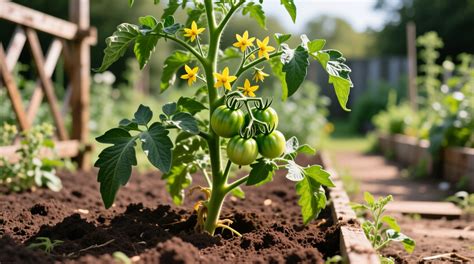
In Zone 8b, the best strategy is to select early-maturing, cold-tolerant varieties that don't require prolonged, intense heat to set fruit. Here are the top five picks for the Pacific Northwest:
• Sungold: A prolific cherry tomato that thrives in our cooler climate. It produces exceptionally sweet, golden-orange fruit very early in the season.
• Oregon Spring: Developed specifically for the PNW by Oregon State University. This determinate variety sets fruit even in cool weather and offers excellent early slicer tomatoes.
• Early Girl: A reliable classic for the region. It is highly disease-resistant and produces medium-sized red tomatoes in just 50-60 days.
• Stupice: A cold-tolerant heirloom from the Czech Republic. It is highly dependable in Zone 8b, yielding small but flavorful red tomatoes very early in the summer.
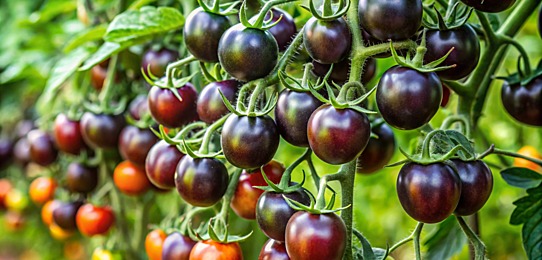
• Black Krim: For those wanting a larger, beefsteak-style heirloom. Originally from Russia, it handles cooler nights well and provides a rich, complex, smoky flavor.
Pruning for Success
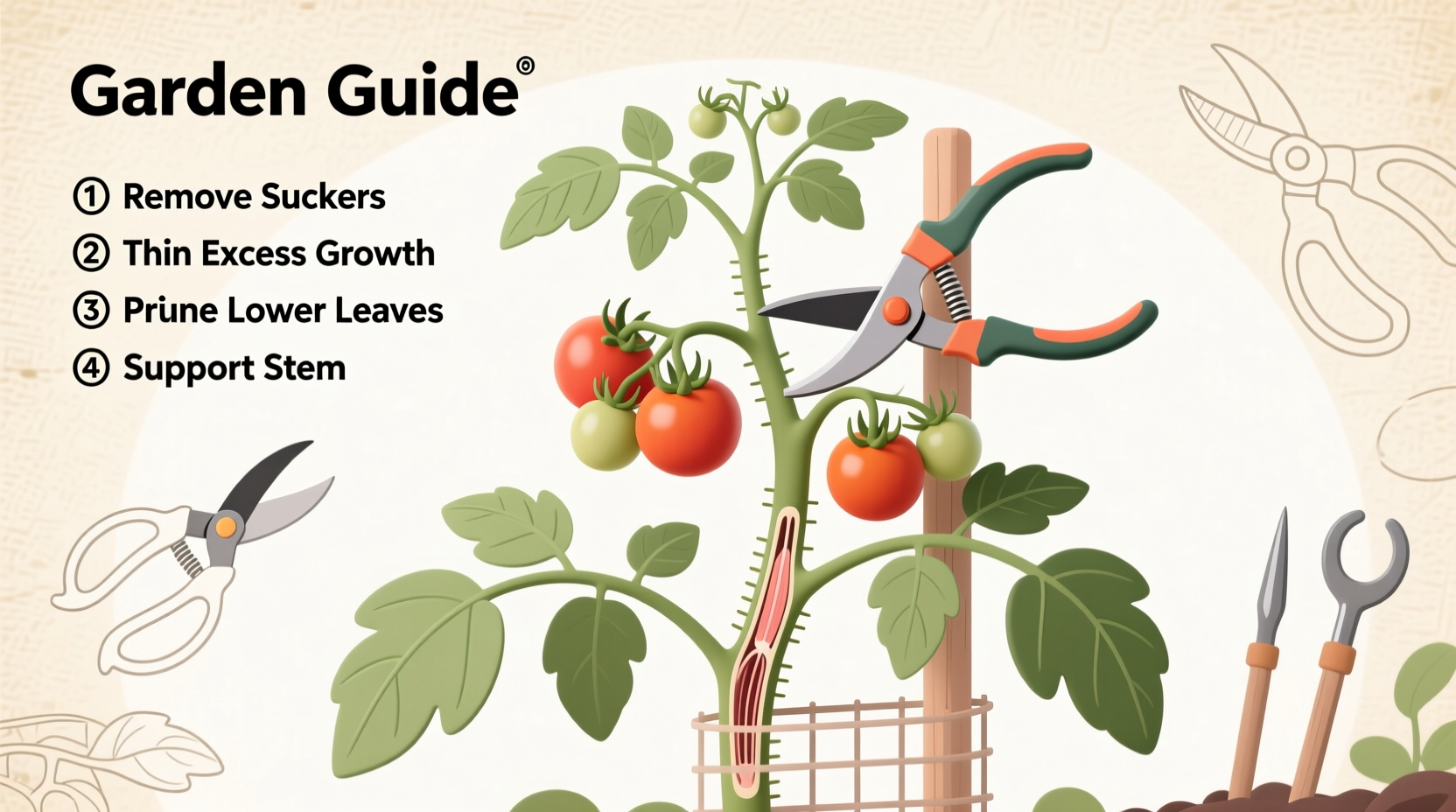
In the Pacific Northwest, pruning isn't just about neatness; it is essential for disease prevention. Due to high humidity and late spring moisture, fungal diseases like late blight are common. Pruning improves airflow and allows the sun to reach the soil and ripening fruit.
• Remove Lower Leaves: Once the plant is established, strip the bottom 12 inches of leaves to prevent soil-borne fungi from splashing onto the foliage during rain or watering.
• Pinch Suckers: For indeterminate varieties (like Sungold and Early Girl), pinch off the small shoots (suckers) that grow in the 'V' joint between the main stem and branches. This directs the plant’s energy into fruit production rather than excessive leafy growth.
• Determinate Rule: Do not prune suckers on determinate varieties (like Oregon Spring), as they grow to a fixed size and you will diminish your harvest.
Proper Fertilizing
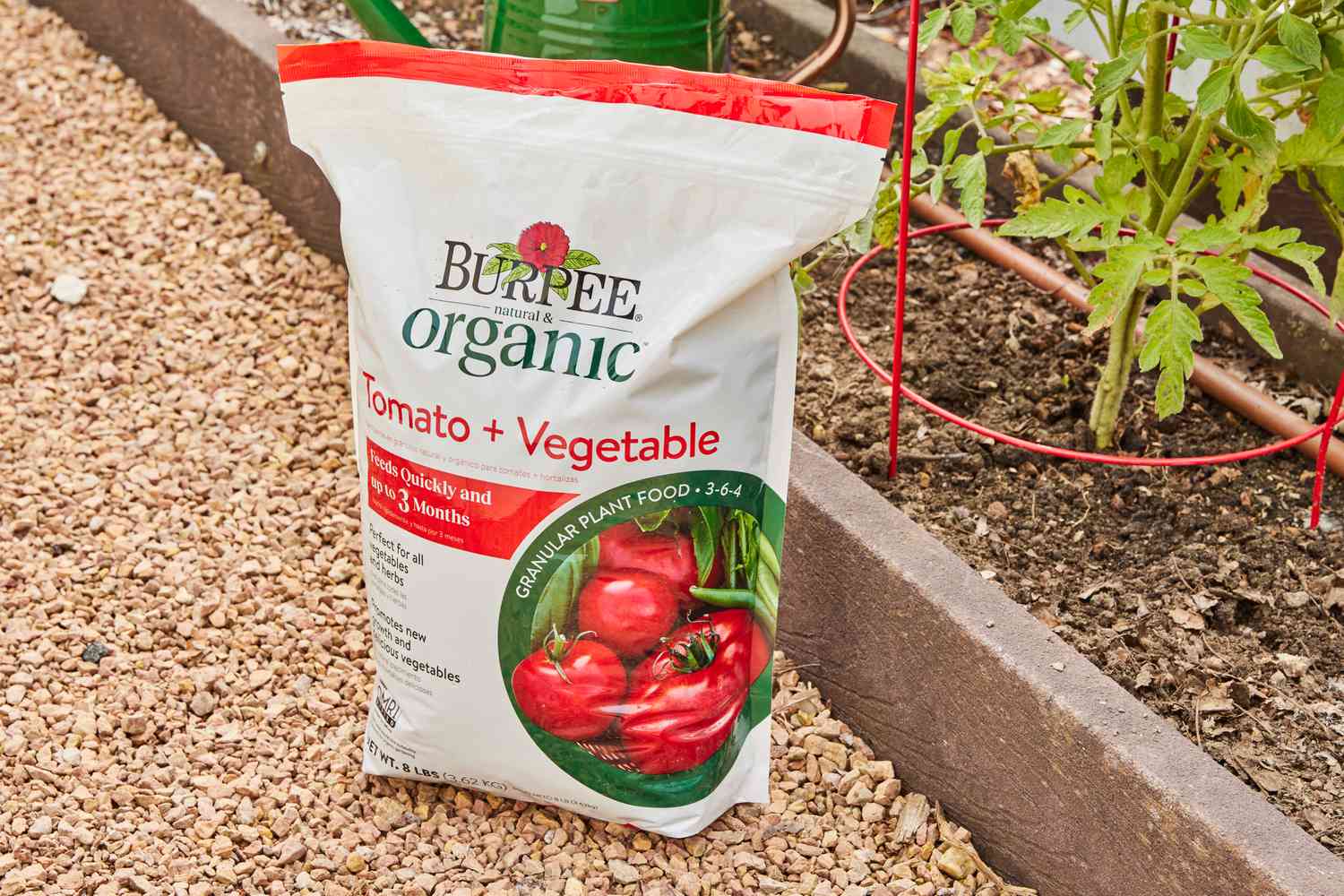
Tomatoes are heavy feeders, but the right balance of nutrients is key. Excessive nitrogen will give you lush, beautiful foliage but very few tomatoes.
At planting time, amend the soil with a balanced organic fertilizer rich in phosphorus and potassium to encourage strong roots and blossoms. Calcium is also critical in Zone 8b; adding crushed eggshells, bone meal, or a specific tomato fertilizer will prevent Blossom End Rot, a common issue caused by calcium deficiency and uneven watering.
Once the plants begin to set fruit, apply a side-dressing of organic compost or a liquid kelp/fish emulsion every 2 to 3 weeks to sustain production.
Managing Common Pests
While tomatoes are relatively hardy, the PNW climate hosts a few persistent pests.
• Slugs and Snails: The bane of the PNW gardener. They thrive in damp springs and can decimate young tomato seedlings overnight. Use organic iron phosphate bait, beer traps, or copper tape around pots.
• Aphids: These small green or black insects cluster on new growth, sucking sap. Blast them off with a strong stream of water or apply insecticidal soap.
• Cutworms: These caterpillars hide in the soil and sever young stems at the soil line. Protect young transplants by placing a cardboard collar (like a toilet paper tube) around the base of the stem.
• Tomato Hornworms: Though less common here than in the south, these large green caterpillars can strip a plant quickly. Hand-picking is the most effective control method.

Pots vs. Ground: Choosing Your Method
Both container gardening and traditional in-ground planting have distinct advantages and drawbacks.
Growing in Pots
Pros:
- Soil warms up much faster in spring, giving plants a head start.
- Can be moved under eaves to protect them from late spring or early fall rains, reducing blight risk.
- Perfect control over the soil mixture and drainage. Pros:
Cons:
- Requires frequent watering (sometimes daily during peak summer).
- Nutrients wash out quickly, requiring more frequent fertilization.
- Needs large containers (minimum 10-15 gallons) to thrive.
Growing in the Ground
Pros:
- Roots can grow deep, meaning plants are more drought-tolerant.
- Requires significantly less frequent watering.
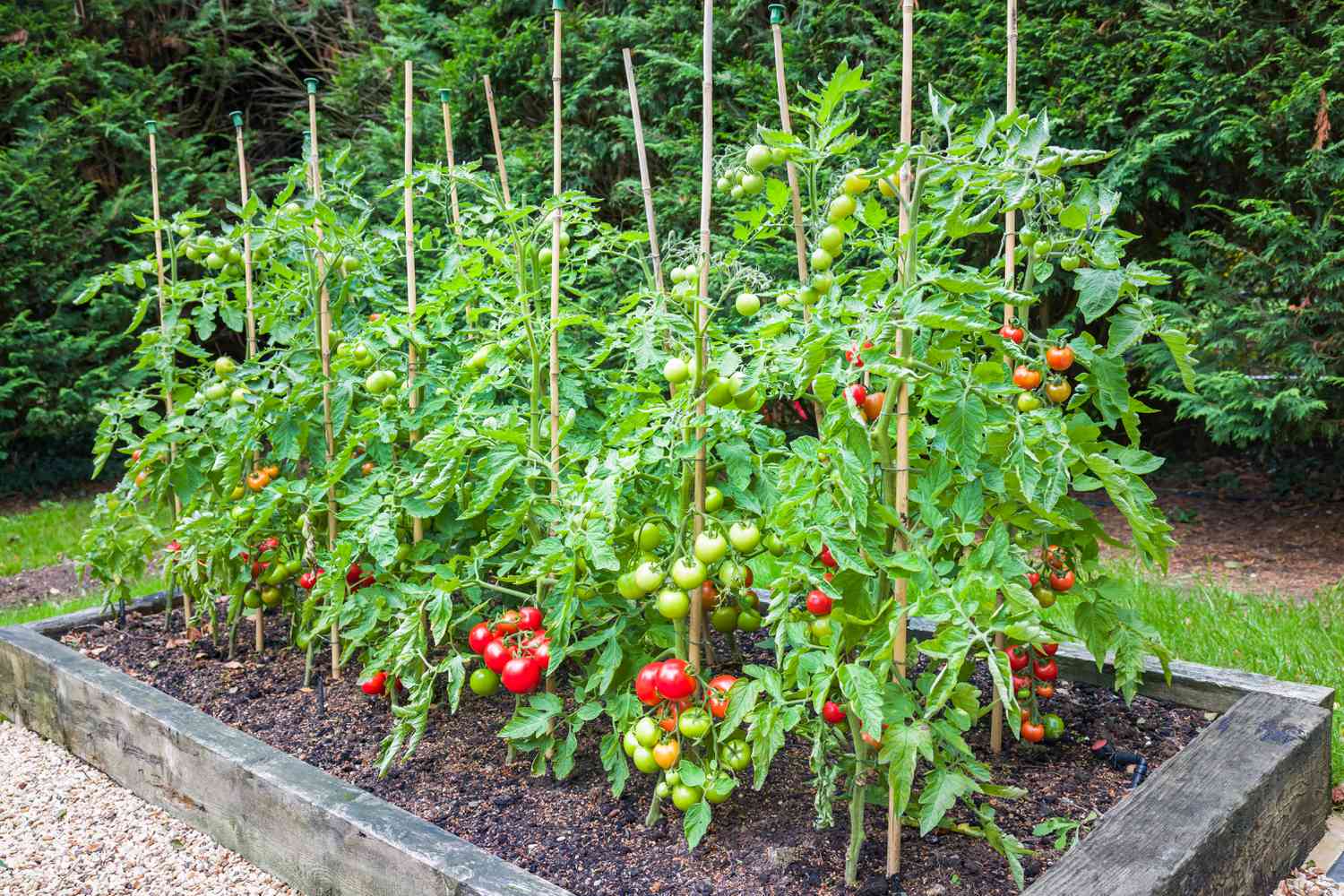
- Easier to support massive indeterminate varieties with large stakes or cages.
Cons:
- Soil takes longer to warm up, potentially delaying early growth.
- Plants are fully exposed to heavy rains and soil-borne diseases.
- Harder to amend heavy clay soils common in some PNW areas.
tomatoestomatoscherry tomatoeshomegrowncooking