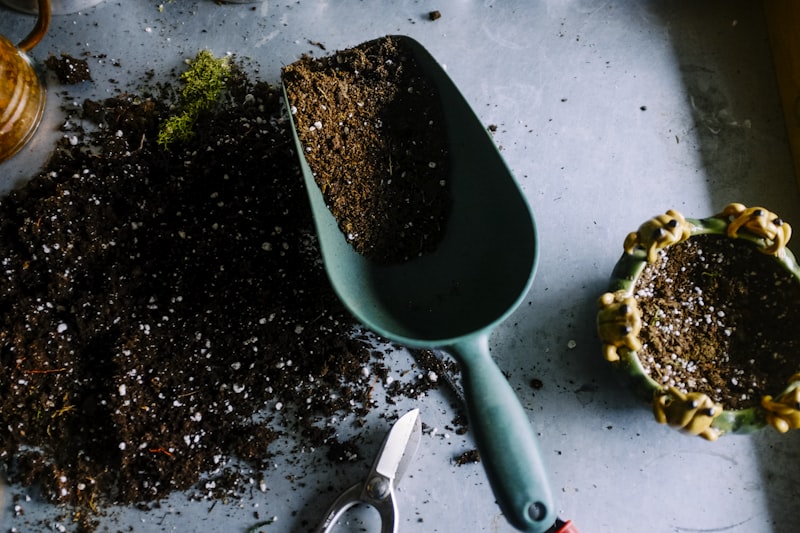
Mulch deep, test the drip, and side-eye every tomato leaf for blight.
Mid-May Portland May garden tasks all share one job: get your beds ready for the dry months ahead. The faucet shuts off sometime in late June around here, and what you do over the next two weeks decides whether July feels manageable or miserable. Pull on the muck boots — this is setup season.
This Week's Action List
- Run a full drip irrigation test now: cap leaks, flush lines, and check that each emitter delivers 1 to 2 gallons per hour before the first 90-degree week hits.
- Top up every bed with 2 to 3 inches of fresh arborist chips or fine bark mulch, keeping it 2 inches off plant stems — Portland Nursery and Mt. Scott Fuel both deliver by the yard.
- Start scouting tomatoes twice a week for late blight: look for olive-gray lesions on lower leaves and prune off any suspect foliage immediately. Varieties like Legend and Defiant PhR handle our humidity better than heirlooms.
- Install rain barrels at downspouts this weekend — even a single 55-gallon barrel captures roughly 35 gallons from a half inch of rain on a 200 square foot roof, and we will still get a few good storms before July.
- Tie climbing roses and clematis to their supports horizontally where possible, using soft jute or stretch tape. Horizontal canes bloom along their entire length instead of just the tip.
Frequently Asked Questions
When does Portland's dry season actually start?
Reliable summer drought usually kicks in between late June and early July, though some years it arrives by mid-June. Plan to have irrigation, mulch, and rain barrels fully operational by the first week of June to be safe.
How do I prevent late blight on tomatoes in Portland?
Water at the soil line only, space plants at least 24 inches apart for airflow, and mulch heavily to block soil splash. Choose blight-resistant varieties like Legend, Defiant PhR, or Mountain Magic, and remove any spotted lower leaves the moment you see them.